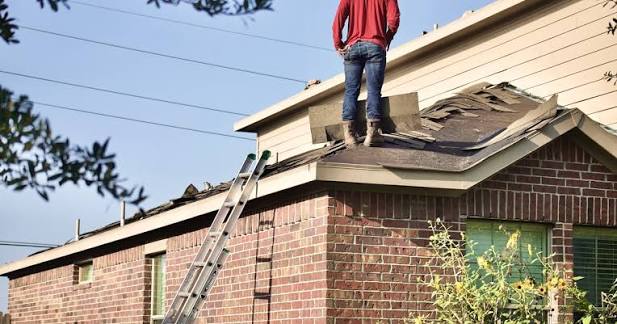
Investing in a high-end roof is one of the most significant exterior upgrades a homeowner can make. While a standard roof keeps the elements out, a premium roof elevates architectural design, dramatically enhances curb appeal, offers superior weather protection, and heavily increases property value.
Choosing a premium roof requires shifting from an “upfront cost” mindset to a “long-term investment” or “lifecycle cost” perspective. Many luxury materials boast lifespans that stretch from 50 years to over a century, meaning they may very well be the last roof you ever install.
This comprehensive guide breaks down the top premium roofing materials on the market, exploring their distinct advantages, drawbacks, expected lifespans, and current market costs.
What Defines a Premium Roof?
A premium roof is defined by exceptional durability, high-quality manufacturing, sophisticated architectural aesthetics, and extended longevity. Unlike standard three-tab asphalt shingles—which are thin and typically last 15 to 20 years—premium roofing options utilize thicker, denser, or natural materials engineered to withstand severe weather events, from gale-force winds to heavy hail and fire.
Beyond structural integrity, premium materials carry superior warranties and can lower your homeowner’s insurance premiums while reducing monthly utility bills via advanced thermal efficiency.
Top Premium Roofing Materials: An In-Depth Breakdown
1. Luxury & Designer Asphalt Shingles
While standard asphalt is considered a budget choice, the premium tier features Architectural (Dimensional) and Designer Shingles. These products are multi-layered, heavier, and crafted to mimic the rich, shadowed look of natural slate or wood shakes.
-
Pros: Highly affordable compared to natural luxury materials; wide variety of colors and styles; easier and faster to install; excellent wind resistance (frequently rated up to 110–130 mph).
-
Cons: Petroleum-based, making them less eco-friendly; a shorter lifespan than other premium materials; susceptible to algae and mold growth in humid climates if not treated with zinc/copper granules.
-
Lifespan: 25 to 30+ years.
-
Average Cost: $5.00 to $8.50 per square foot installed ($500 to $850 per roofing square).
2. Standing Seam Metal Roofing
Metal roofing has evolved far beyond rustic corrugated sheets. Standing Seam Metal Roofing represents the pinnacle of modern, clean exterior design. This system features vertical panels joined by raised, interlocking seams that conceal all fasteners beneath the surface, virtually eliminating leak risks. Premium metal options include high-gauge galvanized steel, aluminum, zinc, and architectural copper.
-
Pros: Incredible energy efficiency due to high solar reflectivity (can save up to 15% on cooling costs); lightweight structure; virtually zero maintenance; completely recyclable.
-
Cons: High initial investment; can be noisy during torrential downpours if attic insulation is insufficient; prone to denting from severe, large-scale hail events depending on the metal gauge.
-
Lifespan: 40 to 70+ years (Copper can easily exceed 100 years).
-
Average Cost: $12.00 to $18.00+ per square foot installed for high-quality steel or aluminum; $25.00 to $40.00+ per square foot for exotic metals like copper.
3. Natural Slate Tiles
Often referred to as the “forever roof,” Natural Slate is derived from metamorphic rock split into smooth, flat tiles. It offers an irreplaceable, organic aesthetic characterized by unique color variations—ranging from deep charcoal and unfading black to mottled greens and purples.
-
Pros: Unmatched historical elegance; extreme fire, wind, and mold resistance; can last multiple generations.
-
Cons: Exceptionally heavy (often weighing 800 to 1,000 lbs per square), requiring structural reinforcement of the roof deck; brittle to walk on; requires specialized, highly skilled artisans for proper installation.
-
Lifespan: 75 to 150+ years.
-
Average Cost: $15.00 to $30.00+ per square foot installed ($1,500 to $3,000+ per square).
4. Clay and Terracotta Tiles
A staple of Mediterranean, Spanish Mission, and Southwestern architecture, Clay Tiles are baked at high temperatures to seal in their rich earthy tones. Modern manufacturing also allows for glazed finishes in an array of vibrant colors.
-
Pros: Superior thermal performance that naturally creates air circulation beneath the tiles; completely fireproof; impervious to rot and insect damage.
-
Cons: Like slate, clay is incredibly heavy and demands engineered structural support; highly fragile if walked on incorrectly; material costs can fluctuate significantly based on custom shaping and shipping origins.
-
Lifespan: 50 to 100 years.
-
Average Cost: $12.00 to $25.00 per square foot installed ($1,200 to $2,500 per square).
5. Premium Wood Shakes and Shingles
For a rustic, upscale coastal or craftsman appearance, Cedar or Redwood Shakes and Shingles remain a popular luxury choice. While shingles are machine-sawn for uniform thickness and clean edges, shakes are split by hand, offering a highly textured, rugged face.
-
Pros: High insulation value; beautiful, natural silver-gray weathering over time; excellent wind resistance due to structural flexibility.
-
Cons: Highly vulnerable to rot, mold, and moss if left untreated; requires routine maintenance (cleaning and treating); banned by regional fire codes in wildfire-prone zones unless heavily treated with Class A fire retardants.
-
Lifespan: 25 to 40 years with rigorous maintenance.
-
Average Cost: $8.00 to $14.50 per square foot installed ($800 to $1,450 per square).
6. Synthetic & Composite Roofing
Synthetic (Composite) Roofing utilizes engineered polymers, rubber, and recycled plastics to recreate the exact textures and profiles of natural slate or wood shakes. Premium brands like DaVinci Roofscapes have perfected these composites to the point where they are virtually indistinguishable from the real thing from the ground.
-
Pros: Lightweight (eliminating the need for structural framing reinforcement); Class 4 impact rating (highest rating for hail resistance); Class A fire rating; requires zero maintenance.
-
Cons: High upfront cost despite being a synthetic material; relatively new technology compared to century-old slate or clay, though testing indicates extreme longevity.
-
Lifespan: 50 to 100 years.
-
Average Cost: $10.00 to $21.00 per square foot installed ($1,000 to $2,100 per square).
Comprehensive Premium Roofing Cost Guide
To help you visualize the overall investment required for a premium roof replacement, the table below provides estimated pricing based on material costs and complete installation for standard-sized homes.
Note: In roofing terminology, 1 “Square” equals 100 square feet of roof surface area. A home’s roof surface area is always larger than its interior footprint due to slopes, overhangs, and pitches.
| Roofing Material Type | Material Cost (Per Sq. Ft.) | Total Installed Cost (Per Sq. Ft.) | Estimated Cost for a 2,000 Sq. Ft. Roof | Estimated Cost for a 3,000 Sq. Ft. Roof |
| Designer Asphalt Shingles | $1.00 – $2.50 | $5.00 – $8.50 | $10,000 – $17,000 | $15,000 – $25,500 |
| Premium Cedar Shakes | $3.00 – $7.00 | $8.00 – $14.50 | $16,000 – $29,000 | $24,000 – $43,500 |
| Synthetic Slate / Shake | $4.00 – $9.00 | $10.00 – $21.00 | $20,000 – $42,000 | $30,000 – $63,000 |
| Standing Seam Metal | $3.00 – $9.00 | $12.00 – $18.00 | $24,000 – $36,000 | $36,000 – $54,000 |
| Clay / Terracotta Tiles | $4.00 – $13.00 | $12.00 – $25.00 | $24,000 – $50,000 | $36,000 – $75,000 |
| Natural Slate (Hard/Soft) | $6.00 – $16.00 | $15.00 – $30.00+ | $30,000 – $60,000+ | $45,000 – $90,000+ |
Hidden Factors Influencing Premium Roofing Costs
When estimating the cost of a luxury roof, the material itself is only one part of the equation. Several secondary factors can drive quotes up or down:
Roof Pitch and Complexity
The steeper the roof (pitch), the more difficult and hazardous it is to navigate. A high-pitched roof requires specialized scaffolding, safety harnesses, and slower work paces. Additionally, roofs with complex architectural features—such as multiple gables, intersecting valleys, dormers, chimneys, and skylights—demand meticulous flashing work, which dramatically increases labor hours.
Structural Reinforcement
If you are transitioning from a lightweight material (like asphalt) to a heavy premium material (like clay or natural slate), your home’s framing must be evaluated by a structural engineer. Adding supports, trusses, or sister rafters to bear the weight can add thousands to the initial preparation phase.
Tear-Off and Disposal
Removing old layers of roofing requires heavy labor and disposal fees. Tearing off old wood shakes or multiple layers of existing asphalt shingles will increase your labor quote by $1.00 to $3.00 per square foot.
Premium Accessories
A premium roof is a unified system, not just the outer material. High-end installations should always include:
-
Synthetic Underlayment: Far superior to traditional felt, providing a water-tight seal.
-
Copper or Heavy-Gauge Aluminum Flashing: To prevent leaks at roof joints and valleys for decades.
-
Advanced Ventilation Systems: Such as continuous ridge vents to regulate attic temperatures and optimize energy efficiency.
Return on Investment (ROI) and Value Addition
While a premium roof requires a substantial capital layout, the financial returns are felt in three primary ways:
-
Increased Home Resale Value: Real estate data shows that a premium roof can increase a home’s overall market valuation by 10% to 15%. Buyers are willing to pay a premium knowing they won’t have to tackle a roof replacement for decades.
-
Decreased Insurance Premiums: Many insurance companies offer discounts on premiums for homes outfitted with impact-resistant (Class 4) synthetic roofs, metal roofs, or fireproof clay tiles.
-
Energy Efficiency: Materials like standing seam metal and clay tiles possess exceptional thermal properties, blocking solar heat radiant transfer into your home and reducing strain on HVAC systems during the peak of summer.
Final Verdict: Which Premium Material is Right for You?
The ideal choice ultimately rests on the architectural style of your home, your regional climate, and your personal long-term goals.
-
Choose Standing Seam Metal if you favor ultra-modern, clean aesthetics, maximum energy efficiency, and a zero-maintenance profile.
-
Opt for Natural Slate or Clay Tiles if you own a luxury historical, Mediterranean, or colonial home, have the structural framework to support the load, and want an authentic, multi-generational roof.
-
Select Synthetic/Composite Slate or Shake if you want the exact look of slate or wood without the excessive weight, high maintenance, or extreme vulnerability to fire and impact.
-
Stick with Designer Asphalt Shingles if you want a premium look and upgraded weather resistance on a more conservative luxury budget.
