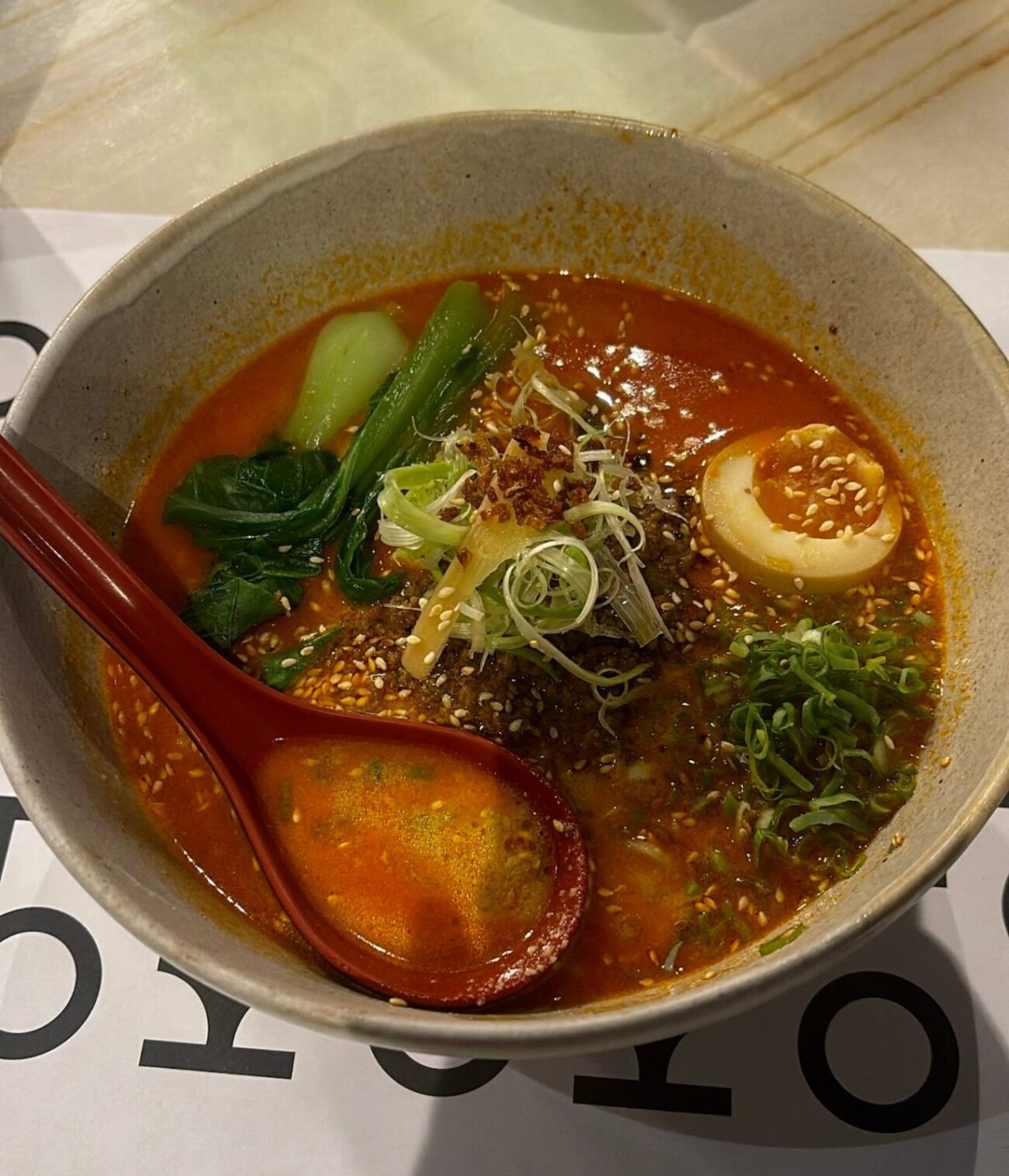
Noodles are one of humanity’s oldest and most beloved foods. Archaeologists have found a bowl of millet noodles in northwest China estimated to be around 4,000 years old, and today noodles are eaten on every continent in thousands of forms. There are silky Japanese udon and springy ramen, chewy Chinese hand-pulled noodles, delicate Vietnamese rice noodles, spicy Korean glass noodles and fragrant Thai stir-fries. Noodles can be a five-minute snack or a broth simmered for a whole day.
For home cooks, noodles are a gift. They cook in minutes, they’re inexpensive, they keep for months in the cupboard, and they carry flavor like almost nothing else. Yet many people only ever reach for the same instant packet or the same takeaway order, never realizing how easy it is to make restaurant-quality noodle dishes at home.
This guide will change that. We’ll explore the main types of noodles and how to cook each one properly, then build a pantry of essential sauces and seasonings, and finally work through a collection of recipes: from a rich bowl of homemade ramen to a quick pad Thai, spicy dan dan noodles, garlicky lo mein and more.
1. A Field Guide to Noodles
Walk into any Asian supermarket and the noodle aisle can be overwhelming. Most noodles, though, fall into a few broad families based on what they’re made from.
Wheat Noodles
- Ramen are Japanese wheat noodles made with kansui, an alkaline mineral water that gives them their springy, slightly firm bite and yellowish colour. Fresh or frozen ramen noodles from Asian grocers are far better than the instant kind for proper noodle soups.
- Udon are thick, chewy and white. They’re wonderful in hot broths and stir-fries. Frozen udon is excellent and often better than the vacuum-packed “straight to wok” versions.
- Somen are very thin wheat noodles, typically served cold in summer with a dipping sauce.
- Chinese egg noodles come in thin and thick varieties and are the go-to for lo mein, chow mein and wonton soup.
- Hand-pulled noodles (such as Lanzhou lamian) and knife-cut noodles are made by stretching or slicing dough, giving them a satisfying, irregular chew.
Rice Noodles
- Rice sticks are flat noodles ranging from thin (for pho) to medium (for pad Thai) to wide (for pad see ew and Malaysian char kway teow).
- Rice vermicelli are thin, round noodles used in Vietnamese bún bowls, spring rolls and Singapore noodles.
- Rice noodles are naturally gluten-free, though you should still check the packet for added wheat starch.
Starch and Buckwheat Noodles
- Glass noodles (also called cellophane or bean thread noodles) are made from mung bean or sweet potato starch. They turn translucent when cooked. Korean japchae uses sweet potato glass noodles.
- Soba are Japanese noodles made partly or fully from buckwheat flour. They have a nutty, earthy flavor and are delicious hot or cold. Only 100 percent buckwheat soba (juwari) is gluten-free; most soba contains some wheat.
2. How to Cook Noodles Perfectly
Different noodles need different treatment, but a few rules apply to almost all of them.
- Use plenty of water. Noodles release starch as they cook. A big pot of water prevents them from becoming gluey and sticking together.
- Follow the packet, then test early. Cooking times vary widely between brands. Start tasting a minute before the recommended time. You want a slight bite in the centre, especially if the noodles will be cooked further in a stir-fry or soup.
- Rinse when appropriate. Unlike Italian pasta, many Asian noodles should be rinsed after cooking. Rinsing in cold water stops the cooking, washes off surface starch and keeps noodles from clumping. This is essential for soba, udon for stir-frying, rice noodles and cold noodle dishes. For ramen going straight into hot broth, just drain well.
- Soak, don’t boil, rice noodles for stir-fries. Dried rice sticks for pad Thai are best soaked in warm (not boiling) water for 20 to 30 minutes until pliable but still firm. They’ll finish cooking in the wok. Boiling them first often leads to broken, mushy noodles.
- Toss with a little oil. If you’re not using the noodles immediately, toss them with a few drops of sesame or neutral oil to keep them from sticking.
Cook noodles separately from the broth. Boiling noodles directly in your soup makes the broth cloudy and starchy and can overcook the noodles. Cook them in their own pot of water, then place them in bowls and ladle the hot broth over the top.
3. The Noodle Lover’s Pantry
With a handful of sauces and aromatics, you can make dozens of different noodle dishes. These are the essentials worth keeping in your cupboard:
- Light soy sauce: The main seasoning soy sauce in Chinese cooking: salty and savory.
- Dark soy sauce: Thicker, less salty and slightly sweet, used mainly for rich colour.
- Oyster sauce: Thick, savory and sweet. Vegetarian versions made from mushrooms are widely available.
- Fish sauce: The backbone of Thai and Vietnamese cooking. It smells intense in the bottle but mellows into deep savoriness in a dish.
- Toasted sesame oil: A finishing oil with a rich, nutty aroma. Use sparingly and add at the end.
- Rice vinegar and Chinkiang black vinegar: For brightness and depth.
- Chilli oil or chilli crisp: Crunchy, spicy and addictive on almost any noodle dish.
- Miso paste: Fermented soybean paste that adds body and depth to soups and sauces.
- Tamarind paste: Sour and fruity, essential for authentic pad Thai.
- Fresh aromatics: Garlic, ginger, spring onions, fresh chillies and coriander.
4. Recipe: Homemade Chicken Ramen
Traditional ramen broths can take 12 hours or more. This version uses chicken wings and a few flavor boosters to create a deeply savory broth in about 90 minutes, which is perfect for a weekend project.
Serves: 4 | Prep: 20 minutes | Cook: 1 hour 30 minutes
For the Broth
- 1 kg chicken wings
- 2.5 litres water
- 1 onion, halved
- 5 cm piece of ginger, sliced
- 6 garlic cloves, smashed
- 4 spring onions (white parts)
- 6 dried shiitake mushrooms
- 1 piece of kombu seaweed (about 10 cm), optional
For the Tare (Seasoning Base)
- 4 tablespoons light soy sauce
- 2 tablespoons mirin
- 1 tablespoon white miso paste
- 1 teaspoon sesame oil
To Serve
- 4 portions fresh or frozen ramen noodles
- 4 soft-boiled eggs (6½ minutes in boiling water, then into iced water)
- Sliced roast or poached chicken breast
- Blanched pak choi or spinach
- Sliced spring onions, toasted nori sheets and sesame seeds
- Chilli oil (optional)
Method
- Place the chicken wings in a large pot, cover with cold water and bring to a boil. Boil for 5 minutes, then drain and rinse the wings. This removes impurities and gives a cleaner broth.
- Return the wings to the clean pot with the 2.5 litres of water, onion, ginger, garlic, spring onions and mushrooms. Bring to a boil, then reduce to a steady simmer and cook for 1 hour 15 minutes, skimming occasionally. Add the kombu for the last 15 minutes if using.
- Strain the broth. You should have roughly 1.6 litres. Slice the rehydrated shiitake to use as a topping.
- Whisk the tare ingredients together and divide between four deep bowls.
- Cook the noodles according to the packet instructions and drain well.
- Ladle about 400 ml of piping-hot broth into each bowl and stir to dissolve the tare. Add the noodles, lifting them with chopsticks so they sit neatly.
- Top with halved eggs, chicken, greens, mushrooms, spring onions, nori and sesame seeds. Serve immediately with chilli oil on the side.
Tip: For extra-flavorful eggs, peel your soft-boiled eggs and marinate them overnight in a mixture of 100 ml soy sauce, 100 ml mirin and 100 ml water.
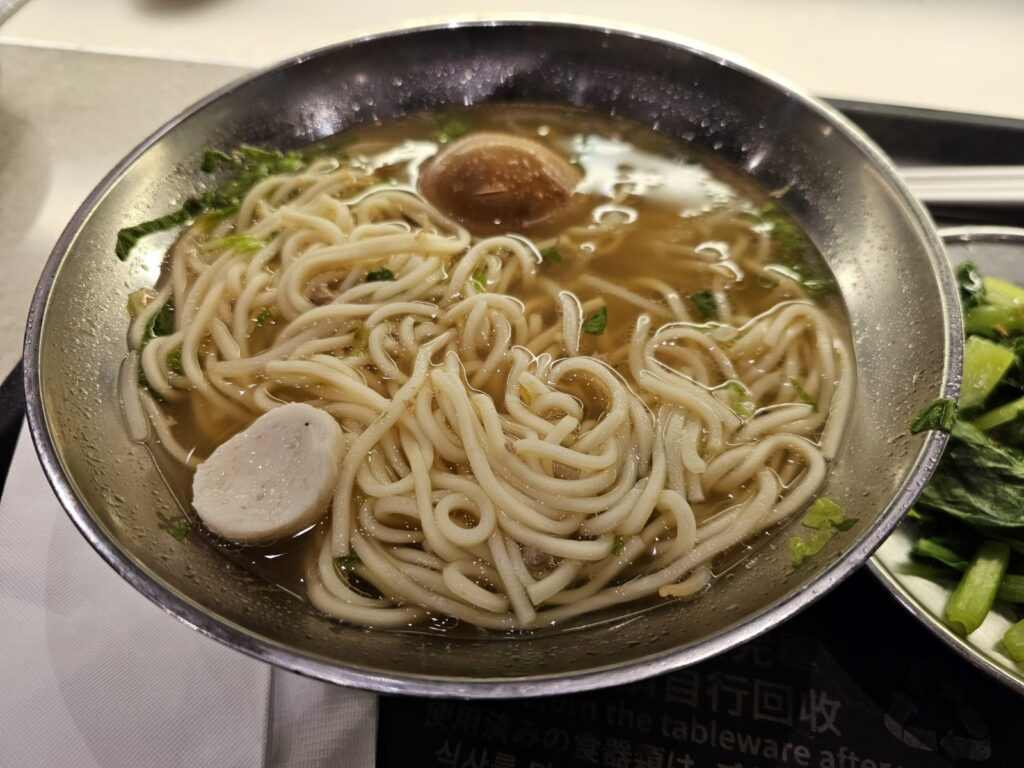
5. Recipe: Classic Pad Thai
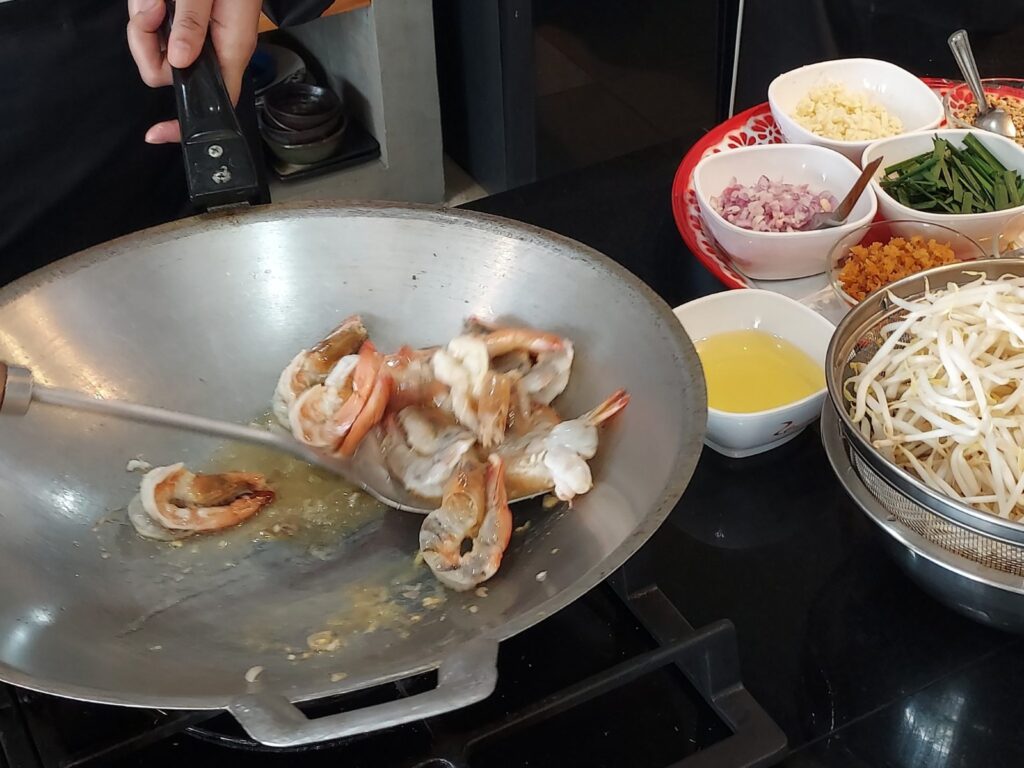
Thailand’s most famous noodle dish balances sweet, sour, salty and savory flavors. The secret is a well-balanced sauce made with tamarind, and a very hot wok.
Serves: 2 | Prep: 30 minutes (including soaking) | Cook: 10 minutes
Ingredients
- 150 g dried flat rice noodles (medium width)
- 3 tablespoons tamarind paste (concentrate)
- 2 tablespoons fish sauce
- 2 tablespoons palm sugar or brown sugar
- 3 tablespoons neutral oil
- 200 g raw prawns, peeled, or thinly sliced chicken
- 100 g firm tofu, cut into small cubes
- 2 garlic cloves, minced
- 1 small shallot, finely sliced
- 2 eggs
- A large handful of bean sprouts
- 4 spring onions or garlic chives, cut into 3 cm lengths
- To serve: crushed roasted peanuts, lime wedges, chilli flakes
Method
- Soak the noodles in warm water for 20 to 30 minutes until pliable but still firm. Drain.
- Stir the tamarind, fish sauce and sugar together until the sugar dissolves. Taste: it should be sour, salty and sweet in roughly equal measure. Adjust as needed.
- Heat 2 tablespoons oil in a wok over high heat. Fry the tofu until golden, then add the prawns and cook until just pink. Push to one side.
- Add the remaining oil, garlic and shallot and stir-fry for 20 seconds. Add the noodles and the sauce, and toss constantly for 2 to 3 minutes until the noodles absorb the sauce and soften. Add a splash of water if they seem dry.
- Push the noodles aside, crack the eggs into the empty space and scramble them lightly. Once almost set, toss everything together.
- Add the bean sprouts and spring onions, toss for 30 seconds, then serve topped with peanuts, lime wedges and chilli flakes.
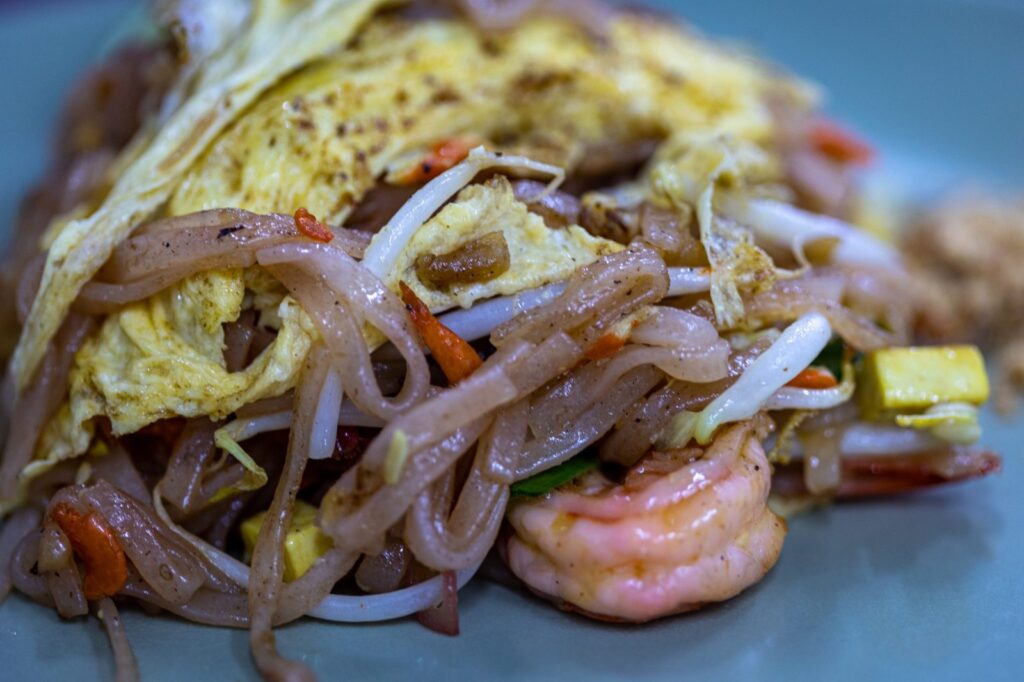
6. Recipe: Spicy Dan Dan Noodles
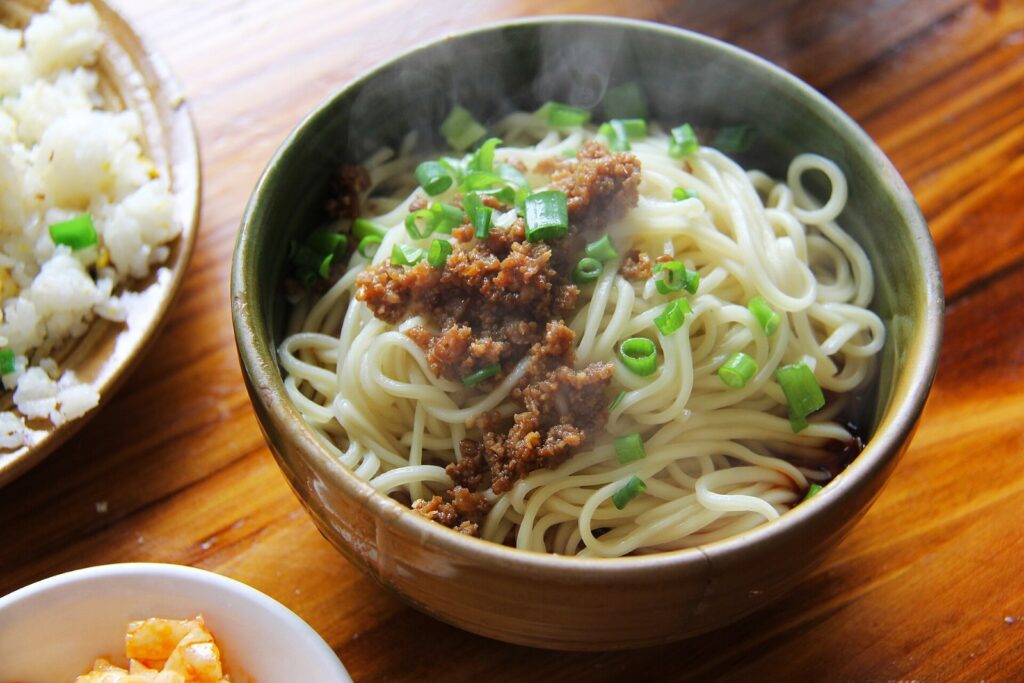
A Sichuan street-food classic featuring noodles in a spicy, nutty sauce with savory minced meat and a tingling kick of Sichuan pepper. This version uses minced beef or chicken.
Serves: 2 | Prep: 10 minutes | Cook: 15 minutes
For the Sauce (per bowl, double for two)
- 1 tablespoon tahini or Chinese sesame paste
- 1 tablespoon light soy sauce
- 1 teaspoon Chinkiang black vinegar
- 1 teaspoon sugar
- 1 to 2 tablespoons chilli oil
- ¼ teaspoon ground toasted Sichuan peppercorns
- 1 small garlic clove, grated
For the Topping
- 200 g minced beef or chicken
- 1 tablespoon oil
- 1 tablespoon light soy sauce
- 1 teaspoon dark soy sauce
- 2 tablespoons chicken stock
- 2 tablespoons chopped Sichuan preserved vegetable (ya cai), optional
To Serve
- 200 g thin wheat noodles
- A handful of pak choi or choy sum
- Chopped roasted peanuts and spring onions
Method
- Mix the sauce ingredients in the bottom of each serving bowl.
- Heat the oil in a wok over high heat. Add the mince and fry, breaking it up, until browned and crispy at the edges. Add the soy sauces, stock and preserved vegetable, and cook until the liquid has evaporated.
- Cook the noodles and greens together in boiling water. Before draining, add 2 to 3 tablespoons of the hot noodle water to each sauce bowl and stir.
- Divide the noodles and greens between the bowls, top with the crispy mince, peanuts and spring onions. Toss thoroughly at the table before eating.
7. Recipe: Garlic Chicken Lo Mein
Lo mein means “tossed noodles.” Soft egg noodles are tossed with vegetables, protein and a glossy sauce. It’s faster than a takeaway and just as satisfying.
Serves: 3 to 4 | Prep: 15 minutes | Cook: 10 minutes
Ingredients
- 300 g fresh or dried egg noodles
- 300 g chicken breast, thinly sliced, tossed with 1 teaspoon cornflour and 1 teaspoon soy sauce
- 2 tablespoons neutral oil
- 4 garlic cloves, minced
- 1 carrot, julienned
- 1 red pepper, thinly sliced
- 150 g mushrooms, sliced
- 2 heads pak choi, quartered
- 4 spring onions, cut into 4 cm pieces
Sauce: 3 tablespoons light soy sauce, 1 tablespoon dark soy sauce, 2 tablespoons oyster sauce, 1 teaspoon sugar, 1 teaspoon sesame oil and 3 tablespoons water.
Method
- Cook the noodles until just tender, rinse briefly in cold water, drain and toss with a few drops of oil.
- Heat 1 tablespoon oil in a wok over high heat and stir-fry the chicken for 3 to 4 minutes until cooked. Remove.
- Add the remaining oil, garlic, carrot, pepper and mushrooms and stir-fry for 2 minutes. Add the pak choi and cook for 1 minute.
- Add the noodles, chicken and sauce. Toss for 2 minutes over high heat until everything is glossy and hot. Stir in the spring onions and serve.
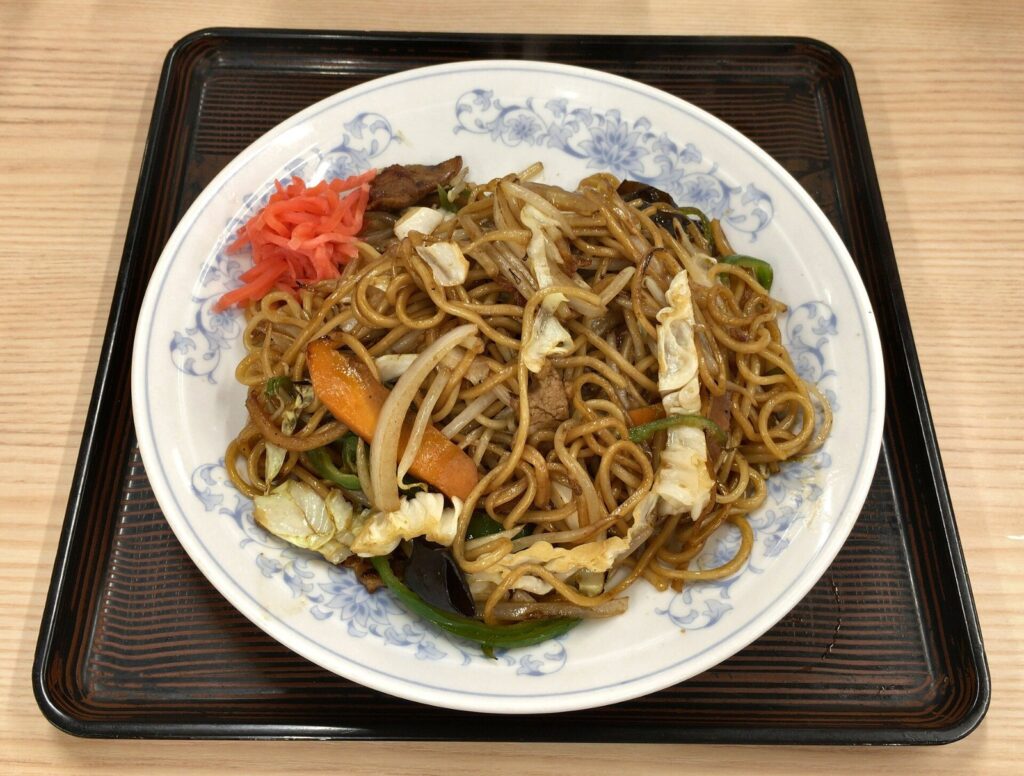
8. Recipe: Japanese Yaki Udon
Thick, chewy udon noodles stir-fried with vegetables in a savory-sweet sauce. It’s a brilliant way to use up whatever vegetables are in the fridge.
Serves: 2 | Prep: 10 minutes | Cook: 10 minutes
Ingredients
- 2 portions frozen udon noodles
- 1 tablespoon neutral oil
- 200 g sliced chicken, beef or firm tofu
- ¼ small cabbage, shredded
- 1 carrot, cut into matchsticks
- 100 g shiitake or chestnut mushrooms, sliced
- 2 spring onions, sliced
Sauce: 2 tablespoons soy sauce, 1 tablespoon mirin, 1 tablespoon oyster sauce, 1 teaspoon sugar. Garnish with bonito flakes or sesame seeds, and pickled ginger.
Method
- Pour boiling water over the frozen udon and loosen with chopsticks for 1 minute. Drain.
- Heat the oil in a wok and stir-fry the protein until browned. Add the cabbage, carrot and mushrooms, and cook for 3 minutes.
- Add the udon and sauce and toss for 2 minutes until the noodles are coated and lightly caramelized. Top with spring onions and garnishes.
9. Recipe: Vietnamese Bún Bowl with Lemongrass Chicken
A fresh, vibrant noodle salad that’s perfect for warm days. Cool rice vermicelli sits under crisp vegetables and fragrant grilled chicken, all dressed with nước chấm, a tangy dipping sauce.
Serves: 4 | Prep: 25 minutes plus marinating | Cook: 15 minutes
Ingredients
- 600 g boneless chicken thighs
- 2 stalks lemongrass, finely minced
- 2 garlic cloves and 1 shallot, minced
- 2 tablespoons fish sauce, 1 tablespoon brown sugar, 1 tablespoon oil
- 250 g rice vermicelli
- Lettuce, cucumber, carrots (julienned), bean sprouts
- Fresh mint, coriander and Thai basil
- Crushed peanuts and crispy fried shallots
Nước chấm: 3 tablespoons fish sauce, 3 tablespoons lime juice, 2 tablespoons sugar, 6 tablespoons warm water, 1 garlic clove (minced) and 1 bird’s eye chilli (sliced).
Method
- Mix the lemongrass, garlic, shallot, fish sauce, sugar and oil, and marinate the chicken for at least 1 hour.
- Stir the nước chấm ingredients together until the sugar dissolves.
- Cook the vermicelli, rinse in cold water and drain thoroughly.
- Grill or pan-fry the chicken for 5 to 6 minutes per side until caramelized and cooked through. Rest, then slice.
- Build each bowl with lettuce, noodles, vegetables, herbs and chicken. Top with peanuts and shallots, and pour over the dressing just before eating.
10. Recipe: Korean Japchae
Japchae is a festive Korean dish of glossy sweet potato glass noodles stir-fried with colourful vegetables, served warm or at room temperature.
Serves: 4 | Prep: 20 minutes | Cook: 15 minutes
Ingredients
- 200 g sweet potato glass noodles (dangmyeon)
- 200 g beef sirloin, thinly sliced (or mushrooms for a vegetarian version)
- 1 onion, sliced; 1 carrot and 1 red pepper, julienned; 150 g spinach
- 5 shiitake mushrooms, sliced
- 2 tablespoons oil
Sauce: 4 tablespoons soy sauce, 2 tablespoons sugar, 2 tablespoons sesame oil, 2 garlic cloves (minced) and 1 tablespoon toasted sesame seeds.
Method
- Boil the noodles for 6 to 7 minutes until chewy and translucent. Rinse in cold water, drain and cut into shorter lengths with scissors.
- Blanch the spinach for 30 seconds, squeeze out the water and season with a pinch of salt and a drop of sesame oil.
- Stir-fry the beef with 1 tablespoon of the sauce until browned. Remove. Stir-fry the onion, carrot, pepper and mushrooms separately or together until just tender.
- Add the noodles and remaining sauce to the wok and toss for 2 minutes. Return the beef and vegetables, add the spinach and toss well. Finish with sesame seeds.
11. Recipe: 10-Minute Upgraded Instant Noodles
Instant noodles don’t have to be sad desk food. With a few additions, a humble packet becomes a genuinely satisfying meal.
Ingredients
- 1 packet instant ramen
- 1 egg
- A handful of spinach or pak choi
- 1 spring onion, sliced
- 1 teaspoon miso paste or peanut butter
- ½ teaspoon sesame oil
- Chilli crisp, to taste
- Leftover cooked chicken, tofu or mushrooms (optional)
Method
- Bring 450 ml water to a boil. Add half to two-thirds of the seasoning packet (the full packet is often very salty) and the miso or peanut butter, whisking to dissolve.
- Add the noodles and cook for 1 minute. Crack in the egg and add the greens and any leftover protein. Cover and cook for 2 minutes until the egg white is set and the yolk is still runny.
- Transfer to a bowl, drizzle with sesame oil and chilli crisp, and top with spring onions.
12. Mastering the Wok at Home
Many noodle dishes rely on wok hei, the smoky “breath of the wok” that comes from cooking over intense heat. Home stoves can’t match restaurant burners, but you can get close:
- Preheat thoroughly. Heat your wok or a large cast-iron pan until it just begins to smoke before adding oil.
- Cook in batches. Overcrowding drops the temperature and causes food to steam instead of sear. Cook protein first, remove it, then cook vegetables, and combine everything at the end.
- Dry your noodles. Wet noodles cool the wok and turn soggy. Drain them well and spread them out to steam-dry for a few minutes.
- Prep everything first. Stir-frying moves quickly. Have every ingredient chopped, measured and within reach before you start.
- Use high-smoke-point oil. Peanut, rapeseed, sunflower or rice bran oil are ideal. Save sesame oil for finishing.
13. Storing and Reheating Noodles
Noodle dishes are best eaten fresh, but leftovers can still be delicious.
- Soups: Store broth and noodles separately. Noodles left sitting in broth will absorb the liquid and turn soft. Broth keeps in the fridge for 4 days or in the freezer for 3 months.
- Stir-fries: Refrigerate within two hours and eat within 2 to 3 days. Reheat in a hot pan with a splash of water or stock, rather than the microwave, to restore the texture.
- Cold noodle dishes: Soba and bún bowls are great for packed lunches. Keep the dressing separate until you eat.
Frequently Asked Questions
Why do my noodles stick together?
Excess surface starch is usually the culprit. Cook in plenty of water, rinse wheat and rice noodles in cold water when appropriate, and toss them with a little oil if they’re not going straight into a dish.
Can I substitute spaghetti for Asian noodles?
In a pinch, yes. For a ramen-like texture, add 1 tablespoon of bicarbonate of soda to a litre of boiling water when cooking spaghetti; the alkalinity gives it a springier bite and yellow colour similar to ramen.
Are rice noodles healthier than wheat noodles?
Both are mainly carbohydrates, with similar calorie counts. Rice noodles are gluten-free, while wheat noodles contain a little more protein and fibre. Buckwheat soba offers more fibre and nutrients than refined wheat or rice noodles. What you add to the bowl, such as vegetables, lean protein and a moderate amount of sauce, matters more.
How can I make noodle dishes vegetarian?
Swap chicken or prawns for tofu, tempeh, mushrooms or eggs, use vegetable stock and mushroom-based “oyster” sauce, and replace fish sauce with extra soy sauce plus a squeeze of lime.
What’s the difference between lo mein and chow mein?
Both use egg noodles, but lo mein noodles are soft and tossed in sauce, while chow mein noodles are fried until they have crisp, golden edges.
The Bottom Line
Noodles are one of the most versatile, affordable and comforting foods you can cook at home. Once you understand the different types and how to handle them, and you have a few key sauces in the cupboard, a world of dishes opens up: a steaming bowl of ramen on a cold evening, a quick pad Thai on a busy weeknight, a fresh bún bowl in summer, or a colourful platter of japchae for a special occasion. Start with one or two recipes that excite you, master them, and then keep exploring. There are thousands of noodle dishes out there waiting for you.
