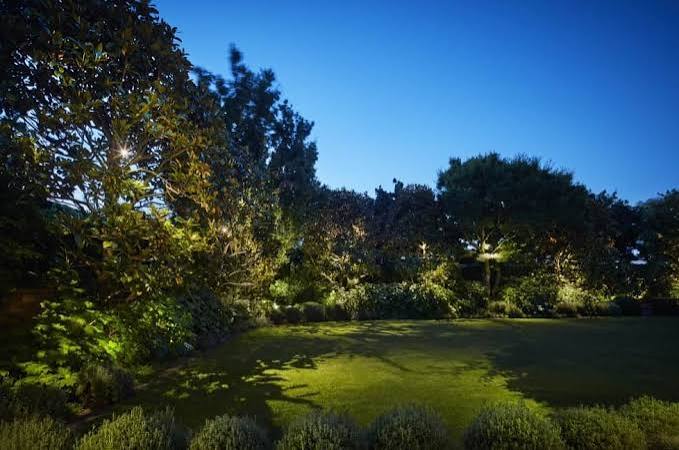
For generations, the garden has been viewed as a daytime pursuit. We obsess over the perfect placement for sun-loving perennials, track the path of afternoon light, and design patios for midday barbecues. But when the sun sets, a entirely different world awakens.
Unfortunately, in our modern world, the night is under threat. Light pollution—the excessive and misdirected use of artificial outdoor light—has blanketed our cities and suburbs, obscuring the stars, disrupting ecosystems, and cutting us off from a fundamental human experience: the wonder of a truly dark night sky.
Enter Dark Sky Garden Design. This growing movement flips the traditional landscaping script. A dark sky garden is a space intentionally designed to minimize light pollution, protect nocturnal wildlife, and maximize your view of the cosmos—all while creating a magical, sensory-rich environment for evening relaxation.
Here is how you can transform your backyard into a starlit sanctuary that honors the night.
1. The Core Philosophy of Dark Sky Design
At its heart, dark sky gardening isn’t about stumbling around in pitch blackness. It’s about mindful illumination. It is the practice of using light only where it is strictly needed, when it is needed, and in the right amounts.
By reducing the ambient glare of your property, your eyes naturally adjust to the darkness (a process called scotopic vision). Suddenly, a backyard that once felt empty at night reveals a tapestry of textures, shadows, and celestial wonders.
The Golden Rule of Dark Sky Lighting: Every light fixture should have a clear purpose, point downward, use the lowest necessary wattage, and emit a warm, golden hue rather than a harsh blue-white glare.
2. Lighting the Night: The Five Principles
The International Dark-Sky Association (now known as DarkSky International) outlines five core principles for responsible outdoor lighting. Applying these to your garden design is the first and most crucial step.
Useful
Before installing any light, ask yourself: Do I actually need this? Every fixture should have a specific reason for being there—such as illuminating a hazard like a step, or lighting a main pathway. If a light is purely decorative and throws glare into the sky, skip it.
Targeted
Light should only fall where it is needed. This means choosing fully shielded fixtures that direct 100% of their light downward. Avoid unshielded globe lights, upward-facing spotlights on trees, and string lights that cast a blinding glow outward.
Low Light Levels
More light does not equal more safety; in fact, blinding glare creates deep, dark shadows where hazards can hide. Use the lowest lumens possible. For a dark sky garden, path lights should rarely exceed 100 lumens, and ambient seating areas can be kept beautifully dim.
Controlled
Your lights shouldn’t be on when nobody is there to use them. Incorporate smart technology into your garden:
-
Motion sensors for security lighting so they only flash on when triggered.
-
Timers and dimmers that automatically turn off or lower landscape lighting after midnight.
Warm Colors
The color of your light matters immensely. Cool, blue-white light (commonly found in cheap LEDs with color temperatures above 3000K) mimics daylight. It tricks our brains, disrupts our sleep cycles, and wreaks havoc on nocturnal wildlife. Stick exclusively to bulbs with a color temperature of 2200K to 2700K. These emit a warm, amber, flame-like glow that is gentle on both eyes and ecosystems.
3. Designing for the Senses: Plant Selection for the Night
A dark sky garden isn’t just about looking up at the Milky Way; it’s about experiencing the garden itself in a new way. Because visual details soften in the dark, a successful nighttime garden relies heavily on scent, texture, and reflectivity.
The Silver and White Palette
To make your garden navigable and beautiful without artificial light, utilize plants that catch and reflect the natural light of the moon and stars. White flowers and variegated foliage practically glow in the dark.
| Plant Type | Varieties to Consider | Nighttime Benefit |
| Perennials | White Moonflower (Ipomoea alba), Evening Primrose, White Astilbe | Flowers open or shimmery under moonlight. |
| Foliage | Lamb’s Ear, Silver Mound Artemisia, Variegated Hostas | Silver and white-edged leaves reflect faint night light. |
| Ornamental Grasses | White Cloud Muhly Grass, Silver Grass | Catch the wind and create soothing nocturnal sounds. |
Designing a Scentscape
Scent travels beautifully on cool evening air. Many plants have evolved specifically to release their fragrance at night to attract nocturnal pollinators like moths.
-
Night-Blooming Jasmine (Nyctanthes arbor-tristis): Renowned for its intoxicatingly sweet evening aroma.
-
Nicotiana (Flowering Tobacco): Star-shaped blossoms that open late in the afternoon and release a rich, perfume-like scent.
-
Mock Orange (Philadelphus): A stunning shrub with white spring blooms that smell cleanly of citrus.
4. Structuring the Space: Stargazing Zones and Layouts
A well-designed dark sky garden should guide the viewer toward the ultimate focal point: the sky above.
The Stargazing Lawn or Platform
Dedicate a specific area of your yard to cosmic viewing. This area should have the widest, most unobstructed view of the sky possible, away from the canopy of large trees.
-
The Reclined Seating Area: Traditional upright chairs force you to crane your neck. Instead, install adjustable chaise lounges, a wide hammock, or a dedicated wooden stargazing platform where you can lay flat comfortably with pillows and blankets.
-
The Horizon Shield: If your neighbors have bright, unshielded porch lights that you can’t control, use your landscaping defensively. Plant a dense hedge of evergreens (like Arborvitae or Holly) along your property line to act as a visual barrier against neighboring light trespass.
Dark Paths and Textural Boundaries
Stepping into a dark garden can be intimidating if you can’t find your footing. Instead of blasting paths with bright lights, use material contrasts:
-
Light-colored gravel or crushed oyster shells for pathways. They naturally catch moonlight and map out the walking path clearly.
-
Tactile borders: Line your walkways with soft, low-growing plants like creeping thyme. If you step off the path, the change in texture underfoot immediately signals the boundary without requiring you to look down.
5. Supporting Nocturnal Wildlife
One of the most rewarding aspects of creating a dark sky garden is watching the local ecosystem heal. Artificial light creates a “barrier effect” for many nocturnal animals, disrupting their feeding, mating, and migration patterns. By restoring the dark, you turn your yard into a crucial wildlife sanctuary.
The Insect Eco-System
Fireflies, moths, and nighttime beetles rely on darkness to communicate and survive. Moths, in particular, are vital pollinators that are fatally drawn to bright, blue-white lights. Switching to shielded amber lighting allows them to do their job, which in turn provides food for local bat populations.
Welcome the Owls and Bats
Bats are nature’s ultimate pest control, capable of eating thousands of mosquitoes in a single night. Installing a bat house on the edge of your dark sky garden gives them a safe place to roost. Similarly, leaving a few mature trees or installing an owl nesting box can invite majestic nocturnal predators into your yard, keeping rodent populations in check naturally.
6. Embracing the Night: Activities and Rituals
Once your dark sky garden is established, it becomes more than just a landscape—it becomes an interactive experience.
-
Moon Gardening: Dedicate nights during a full moon to sit in the garden without any artificial lights whatsoever. You will be amazed at how well you can see once your eyes fully adjust (which takes about 20 minutes in total darkness).
-
Astrophotography and Telescope Nights: With reduced glare from your own property, tracking constellations, meteor showers, and planetary alignments becomes a nightly hobby right from the comfort of home.
-
A Soundscape Ritual: Turn off all devices, sit quietly in your stargazing zone, and simply listen. The rustle of ornamental grasses, the chirp of crickets, and the distant call of an owl create a deeply meditative, grounding experience that melts away daytime stress.
Conclusion: A Gift to the Earth and Ourselves
Dark sky garden design is a gentle rebellion against the constant, frantic brightness of modern life. It asks us to slow down, step outside, and remember our place under the stars.
By making conscious choices about the way we light our outdoor spaces, choosing plants that celebrate the evening, and welcoming the creatures of the night, we do more than just create a beautiful backyard. We reclaim a piece of the natural world, piece by piece, bulb by bulb, and give ourselves a front-row seat to the greatest show in the universe.
