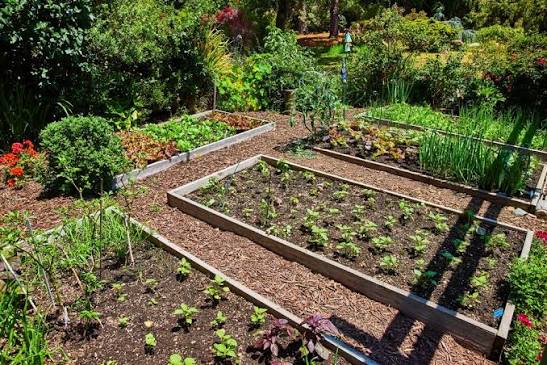
The backyard garden is undergoing a quiet revolution. Traditional growing calendars, once passed down through generations like clockwork, face unprecedented challenges. Home growers face erratic weather patterns: blazing midsummer heatwaves that cause traditional lettuces to bolt overnight, sudden intense deluges that flood root systems, and unpredictable shifts in seasonal frosts.
Relying solely on sensitive, high-maintenance annuals is becoming a high-risk gamble. Building a truly food-secure, sustainable backyard requires a shift toward climate resilience. By focusing on deep-rooted perennials, heat-tolerant leafy greens, and ancient, adaptable crops, you can design a thriving edible landscape capable of weathering environmental extremes.
The Core Pillars of Climate-Resilient Gardening
Before selecting crops, it is essential to understand why certain plants survive where others fail. A climate-savvy garden relies on three core biological and structural principles:
-
Deep and Established Root Systems: Perennial crops spend their first few seasons driving roots deep into the earth. When the top few inches of soil dry out during a drought, these deep roots tap into moisture reserves deep underground.
-
The Power of Microclimates: Utilizing structural techniques like intensive planting (spacing plants closely so their leaves shade the soil) reduces evaporation by up to 70%. Placing delicate plants where they receive afternoon shade can protect them from heat stress.
-
Soil Organic Matter: Amending soil with high-quality compost acting like a sponge. It absorbs excess water during heavy downpours—preventing root rot—while slowly releasing that moisture during dry spells.
Heavyweight Perennials: Plant Once, Harvest for Decades
Perennials form the structural backbone of a resilient garden. Because they do not need to be replanted from seed every spring, they hit the ground running as soon as the weather warms up, making them incredibly stable food sources.
1. Asparagus (Asparagus officinalis)
While asparagus requires patience—taking two to three years to fully establish from crowns—it is an exceptional long-term investment. A single patch can produce a bountiful harvest every spring for up to 30 years. Once its deep root matrix is established, asparagus handles fluctuating spring temperatures and summer dry spells with ease. After the spring harvest window, letting the plants “fern out” creates a tall, texturized privacy screen that helps block harsh winds from more delicate crops.
2. Sunchokes / Jerusalem Artichokes (Helianthus tuberosus)
If you are looking for a crop that is virtually unkillable, look no further than the sunchoke. A relative of the sunflower, this plant thrives in poor soil, intense heat, and severe drought.
Gardener’s Tip: Sunchokes are so robust that they can become invasive. Plant them in dedicated, contained beds or use sturdy underground barriers to keep them from overtaking your yard.
In the fall, dig up the underground tubers. They offer a crisp, nutty flavor resembling a cross between a potato and a water chestnut. They store exceptionally well in a cool environment, providing a reliable carbohydrate source through the winter.
3. Globe Artichoke (Cynara cardunculus)
The globe artichoke is a striking addition that bridges the gap between ornamental landscaping and backyard agriculture. Growing up to four feet tall and wide, its silvery-green, architectural foliage commands attention. Native to the Mediterranean, it is inherently adapted to baking summer heat and limited rainfall. If you miss the harvest window for the edible buds, they open into stunning, vibrant purple thistle flowers that draw in local pollinators.
+---------------------+-------------------+---------------------+
| Vegetable           | Lifespan          | Primary Climate Perk|
+---------------------+-------------------+---------------------+
| Asparagus           | 20–30 Years       | Highly Drought-Toler|
| Sunchokes           | Indefinite        | Thrives in Poor Soil|
| Globe Artichoke     | 5–7 Years         | Extreme Heat Toler. |
+---------------------+-------------------+---------------------+
Leafy Greens That Refuse to Bolt
Traditional cool-season greens like spinach and butterhead lettuce are notorious for bolting—turning bitter and running to seed—the moment temperatures climb. To maintain a steady supply of backyard salads, substitute them with heat-defying greens.
4. Swiss Chard
Swiss chard is the ultimate “cut-and-come-again” green. It is remarkably indifferent to environmental stress, pushing out tender leaves through intense heatwaves and light autumn frosts alike. Younger leaves offer a mild flavor perfect for raw summer salads, while mature, colorful stalks add excellent texture to stir-fries. Furthermore, chard exhibits excellent natural resistance to common garden pests, saving you the headache of chemical or physical interventions.
5. Malabar Spinach (Basella alba)
Though not a true spinach, Malabar spinach serves as an outstanding hot-weather substitute. This tropical vine absolutely thrives when standard greens wither. It requires a trellis or vertical support, making it an excellent option for maximizing small spaces or growing along sunny fences. The thick, succulent leaves have a mild, pleasant taste and can be eaten fresh or tossed into soups and curries.
6. Red-Leaf Amaranth
Commonly grown as a grain, many varieties of amaranth are cultivated specifically for their nutritious greens. Amaranth utilizes a highly efficient metabolic pathway that allows it to synthesize nutrients efficiently under intense sunlight and low-water conditions. The striking red and purple leaves add a vibrant pop of color to your plate and your garden beds, continuing to produce long after traditional salad greens have faded.
Heat-Loving and Drought-Tolerant Summer Annuals
While shifting toward perennials is crucial, you don’t have to give up your favorite summer annuals. The key is selecting specific, climate-resilient varieties and taking advantage of unique plant traits.
7. Sweet Potatoes
Unlike standard white potatoes, which prefer cooler conditions, sweet potatoes are tropical plants that love the heat. Once their leafy vines spread across the ground, they form a living mulch, shading the soil surface and locking in moisture. They require minimal watering once established and yield nutrient-dense tubers that are naturally shelf-stable for months after curing, requiring no electricity or freezing to preserve.
8. Pole Beans vs. Bush Beans
When planning your bean crop, opt for vertical pole beans over compact bush varieties. Climbing plants naturally prioritize establishing deeper root systems to anchor their vines. This deep root architecture allows them to access subterranean moisture during dry spells. Additionally, beans are nitrogen-fixing plants; they harbor symbiotic bacteria in their roots that pull nitrogen from the air and enrich the surrounding soil, boosting the overall health of your garden ecosystem.
9. Climate-Smart Tomatoes
Tomatoes are a backyard staple, but extreme heat waves (temperatures consistently above 32°C) can cause traditional heirloom flowers to drop without setting fruit. To counteract this, look for specific heat-tolerant hybrids such as:
-
‘Heatmaster’
-
‘Solar Fire’
-
‘Florida 91’
Alternatively, lean into fast-maturing cherry tomato varieties like ‘Juliet’. Because they mature rapidly, they often produce a heavy crop before the most intense heat of summer sets in.
Maximizing Resilience with Smart Garden Design
Choosing the right plants is only half the battle; how you arrange and manage them determines your ultimate success.
Hydro-Zoning
Group your backyard edibles according to their specific water and sunlight requirements. Place thirsty, delicate plants close to your water source or in areas that receive natural afternoon shade. Meanwhile, position your ultra-tough perennials—like sunchokes, rosemary, and artichokes—on exposed, dry slopes or outer borders where they can fend for themselves.
Embracing “Tabletop” and Container Veg
An emerging strategy for unpredictable weather patterns is container gardening or “tabletop” vegetable growing. Cultivating dwarf or compact varieties—such as mini bell peppers or bush cucumbers—in portable containers gives you ultimate flexibility. If an unprecedented heatwave, freak hailstorm, or torrential downpour threatens your area, you can easily relocate these assets to a sheltered porch or garage, safeguarding your harvest.
Layered Food Forests
Take inspiration from natural ecosystems by creating a multi-tiered food forest. Use resilient fruit trees (like pomegranates or figs) or large perennial shrubs (such as sea buckthorn) to create a protective overstory canopy. Underneath this canopy, grow partial-shade-tolerant greens and herbs. This layered approach creates a self-shielding microclimate that cools the ambient air through transpiration, stabilizes the soil structure, and reduces wind damage.
Conclusion
Climate change is undeniably shifting the landscape of home agriculture, but it doesn’t spell the end of the backyard harvest. By intentionally diversifying your garden with deep-rooted perennials, heat-defying greens, and highly adaptable annual varieties, you can build a resilient oasis. A climate-smart garden works with nature rather than fighting against it—ensuring that no matter what the forecast brings, your backyard will continue to provide fresh, sustainable, and secure food for your table.
