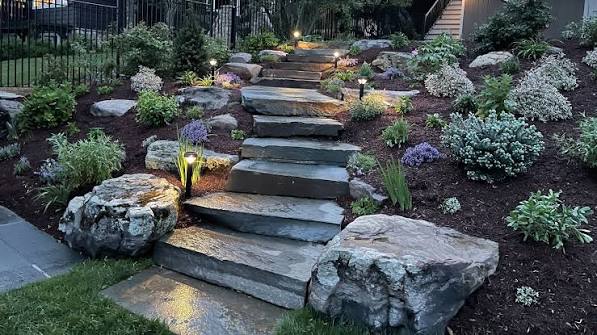
Transforming your outdoor space into a functional, breathtaking extension of your home is an exciting journey. While lush green lawns and vibrant flowerbeds (softscaping) give a yard its life, it is the hardscaping—the stone pathways, retaining walls, patios, and outdoor kitchens—that provides the structural backbone.
A well-designed hardscape not only boosts your property’s curb appeal but can also significantly increase your home’s market value. However, a hardscape project is a major investment. To get the highest return on investment (ROI) and avoid costly construction nightmares, you need a solid grasp of design principles and a foolproof strategy for hiring the right professional.
This comprehensive guide will walk you through everything you need to know, from initial design concepts to signing a contractor’s contract with total confidence.
Part 1: The Core Principles of Hardscape Design
Great hardscaping looks natural, effortless, and integrated with the surrounding architecture. It bridges the gap between the wild elements of nature and the structured design of your home. Before you move a single stone, consider these foundational design pillars:
1. Functionality and Flow (Traffic Patterns)
Before choosing colors or materials, ask yourself: How will we actually use this space? * The Entertainment Hub: If you love hosting large barbecues, you need an expansive, level patio space that can accommodate dining tables, seating, and a grill without feeling cramped.
-
The Quiet Retreat: If you want a peaceful reading nook, a smaller, secluded flagstone area tucked away in a corner is more appropriate.
-
Traffic Flow: Ensure there are clear, logical walkways connecting your back door to the primary outdoor features (like a fire pit or pool). Walkways should be wide enough—typically at least 3 to 4 feet—for two people to walk side-by-side comfortably.
2. Form Follows Architecture
Your hardscape should complement, not clash with, your home’s architectural style.
-
Modern/Minimalist: Opt for clean lines, large-format concrete pavers, geometric layouts, and monochromatic color palettes (grays, blacks, whites).
-
Rustic/Cottage: Lean into irregular flagstone paths, weathered brick, natural fieldstone retaining walls, and winding, curved lines that mimic nature.
-
Traditional: Symmetrical layouts, classic red brick pavers, and structured stone borders work beautifully.
3. Balance and Scale
An enormous concrete patio attached to a tiny ranch-style home will look overwhelming and cold. Conversely, a tiny matchbox patio next to a sprawling estate feels insignificant. Aim for a balanced ratio between your green spaces (softscape) and hard surfaces (hardscape).
Pro Tip: Use the “Indoor-to-Outdoor Transition” rule. Try to mirror the scale of your indoor living room when designing your primary outdoor seating area to maintain a sense of familiar comfort.
4. Water Management and Drainage
This is the least glamorous but most critical aspect of hardscape design. Hard surfaces do not absorb water. Every square foot of paver or concrete you install redirects rainwater.
-
Sloping: Hardscapes must be graded to slope away from your home’s foundation (ideally a 1% to 2% drop).
-
Permeable Options: Consider permeable pavers, which allow rainwater to filter through the joints back into the ground, reducing runoff and pooling.
-
Retaining Walls: If your yard has a slope, retaining walls are essential to prevent soil erosion and create usable, terraced levels.
Part 2: Top Hardscaping Materials Compared
Choosing the right material impacts your project’s aesthetics, longevity, and budget. Here is a breakdown of the most popular choices:
| Material | Pros | Cons | Best Used For |
| Natural Stone (Flagstone, Slate, Bluestone) | Elegant, timeless, highly durable, unique textures. | Expensive; labor-intensive to install; can be uneven. | Patios, rustic walkways, pool surrounds. |
| Interlocking Concrete Pavers | Massive variety of colors/shapes, highly durable, easy to repair individual units. | Can shift over time if the base is poorly prepared; weeds can grow in joints. | Driveways, high-traffic patios, walkways. |
| Stamped Concrete | Budget-friendly, seamless look, highly customizable patterns. | Prone to cracking over time; can be slick when wet; hard to patch seamlessly. | Large pool decks, basic patios. |
| Brick | Classic, traditional aesthetic; color doesn’t fade; eco-friendly options available. | Limited color palette; can crack in extreme freeze-thaw cycles. | Historical-style walkways, courtyards. |
Part 3: The Ultimate Contractor Hiring Guide
Even the most brilliant design will fail if it is poorly executed. Hardscaping requires deep excavation, precise base compaction, and a thorough understanding of soil mechanics. A DIY mistake can result in sagging patios, collapsing walls, and flooded basements.
Hiring a qualified hardscape contractor is the most critical decision you will make. Here is a step-by-step blueprint to find the perfect professional.
Step 1: Research and Shortlist
Don’t just hire the first contractor who pops up on a search engine. Build a shortlist of 3 to 4 candidates using these methods:
-
Word of Mouth: Ask neighbors, friends, or local real estate agents who they have used and trusted.
-
Local Supply Yards: Visit a local stone or paver supply yard (not a big-box hardware store) and ask the staff who their top-tier, reliable contractors are. They know who buys quality materials and pays on time.
-
Online Portfolios: Look for contractors with extensive galleries of completed projects that match the style you want.
Step 2: Verify Credentials (The Non-Negotiables)
Before scheduling an in-person consultation, vet the contractors to ensure they are fully legitimate.
-
Licensing: Ensure they hold a current, valid contractor’s license required by your state or local municipality.
-
Insurance: They must carry both General Liability Insurance (to cover property damage) and Workers’ Compensation Insurance (to protect you if a worker is injured on your property). Ask for certificates sent directly from their insurance agency.
-
Certifications: Look for industry-specific credentials. For instance, certification from the Interlocking Concrete Pavement Institute (ICPI) or the National Concrete Masonry Association (NCMA) proves the contractor has undergone specialized training in proper installation techniques.
Step 3: Conduct Structured Interviews
When the contractors come out to view your property for an estimate, treat it like a job interview. Ask these critical questions:
-
“How long have you been in business under this current name?” (Stability matters; be cautious of companies that frequently change names to dodge bad reviews).
-
“Who will be supervising the job site daily?” (You want to know if the owner, a dedicated foreman, or a rotating crew will be there).
-
“What is your deep-base preparation process?” (For standard patios, you want to hear that they excavate at least 4 to 6 inches for a gravel base, plus sand, depending on your soil type).
-
“Do you provide a written warranty, and what does it cover?” (A reputable contractor should offer at least a 2-to-5-year workmanship warranty separate from the material manufacturer’s warranty).
-
“Can you provide three references from projects completed within the last 18 months?”
Step 4: Analyze and Compare Estimates
Once you receive the quotes, do not automatically jump at the lowest price. A significantly lower bid is often a red flag for cutting corners—such as skipping proper soil compaction, using sub-par base gravel, or lacking proper insurance coverage.
A professional estimate should be highly detailed and itemized, including:
-
Excavation depths and disposal fees.
-
Specific material names, brands, and colors.
-
Drainage installation plans.
-
Projected start date and estimated timeline.
-
Payment schedule (e.g., 10% down, 40% upon excavation, 40% during installation, 10% upon final walkthrough). Never pay more than 10-15% upfront as a deposit.
Part 4: Pitfalls to Avoid During Construction
To ensure your hardscaping project goes smoothly once the crew arrives, keep these common traps in mind:
-
Ignoring Utility Lines: Always ensure your contractor calls 811 (or your local equivalent) to mark underground gas, electric, and water lines before any digging begins.
-
Failing to Check HOA and Permit Rules: Many hardscape projects—especially retaining walls over a certain height, decks, or structural outdoor kitchens—require building permits or Homeowners Association (HOA) approvals. Ensure it is clear in your contract who is responsible for securing these permits.
-
Changing Your Mind Mid-Project Without a Written Agreement: Design alterations during construction happen. However, always document changes using a formal Change Order that specifies the adjustment in scope and the exact cost difference to avoid surprises on the final invoice.
Final Thoughts: A Solid Foundation Equals Long-Term Joy
A beautifully executed hardscape is an investment in your lifestyle. It transforms an ordinary backyard into an open-air sanctuary where memories are made for decades to come. By applying smart design principles—focusing on drainage, architectural harmony, and clear traffic flow—you set the stage for success.
By pairing that vision with a thoroughly vetted, licensed, and certified hardscape contractor, you protect your financial investment and ensure that your new outdoor space remains structurally sound, level, and stunning for years to come. Take your time during the planning and hiring phases; the durability of your hardscape depends entirely on the strength of the foundation you build today.
