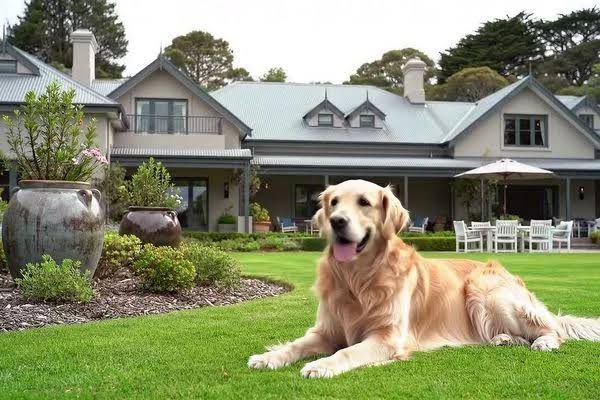
For our four-legged family members, the backyard isn’t just a patch of grass—it’s a kingdom. It’s a racetrack, a scent museum, a lounge, and a playground all rolled into one. However, a backyard left to human devices isn’t always optimized for a dog’s well-being, and conversely, an energetic dog can quickly turn a pristine landscape into a cratered mud pit.
Designing a pet-friendly backyard is all about balancing the needs of your landscape with the natural instincts of your pet. By intentionally planning your layout, choosing the right materials, and creating dedicated spaces like a custom dog run, you can build a safe, stimulating, and beautiful outdoor oasis that everyone in the family can enjoy.
1. Understanding the Canine Landscape: The Core Principles
Before tearing up turf or buying fencing, it helps to look at your yard from a dog’s perspective. Dogs are driven by instinct: they love to patrol boundaries, chase moving objects, dig, sniff, and find comfortable spots to observe their domain.
A successful pet-friendly design doesn’t try to fight these behaviors; instead, it channels them into designated, safe outlets.
The “Path of Least Resistance”
Dogs are creatures of habit. If your dog has already worn a visible dirt track along the fence line or across the center of the yard, trying to plant delicate flowers there is a losing battle. They will continue to run that exact route. Successful backyard design works with these established patrol paths by turning them into hardscaped walkways or designated running lanes.
Safety First
The primary directive of any pet-centric yard is security. This means secure fencing, non-toxic plantings, and a layout that prevents injuries during high-speed play.
2. Fencing and Boundary Security
A secure perimeter is the foundation of peace of mind. The right fence keeps your dog safely contained while preventing unwanted wildlife or neighborhood strays from entering.
Choosing the Right Fence Type
-
Solid Wood or Vinyl: Excellent for dogs that get easily reactive or bark at passing cars, pedestrians, or other animals. By blocking the visual stimuli, you drastically reduce fence-fighting and anxiety.
-
Chain Link or Wrought Iron: Good for dogs who like to see the world, but ensure the spacing between bars is narrow enough that small dogs can’t squeeze through or get their heads stuck.
-
Hardscape Additions: If you have a jumper, ensure your fence is at least 6 feet high. For visual jumpers, adding a trellis extension or planting dense shrubs just inside the fence line can disrupt their launching pad.
Preventing the “Great Escape” (Diggers and Jumpers)
If your dog is an escape artist, standard fencing might not cut it.
-
For Diggers: Bury a footer of hardware cloth (wire mesh) at least 12 inches into the ground beneath the fence, or pour a concrete curb directly under the fence line.
-
For Jumpers: Consider installing “coyote rollers” along the top of the fence. These rolling bars prevent a dog from getting a paw-hold on the top of the fence to pull themselves over.
3. Designing the Perfect Dedicated Dog Run
A dedicated dog run is a game-changer for backyard maintenance. It gives your dog a specific zone to exercise, play, and do their business, protecting the rest of your manicured lawn and garden from heavy wear and tear.
+-----------------------------------------------------------+
|                       MAIN BACKYARD                       |
|        (Lawn, Patio, Non-Toxic Garden, Seating)          |
+-----------------------------------------------------------+
                             ||
                             || Secured Gate
                             ||
+-----------------------------------------------------------+
|                         DOG RUN                           |
|  * Surface: Pea Gravel / K9 Artificial Turf               |
|  * Elements: Agility A-frame, Sniffing Wall               |
|  * Comfort: Covered Shade Canopy, Automated Water Bowl   |
+-----------------------------------------------------------+
Location and Size
Place the dog run in an area that receives a good balance of sun and shade throughout the day. It should be long enough for your dog to hit a full stride—ideally at least 20 to 30 feet long, and 4 to 6 feet wide, depending on the size of your breed.
Ground Cover Options for Dog Runs
The surface material of your dog run is the most crucial decision you will make. It needs to be easy on paws, durable against digging, and simple to clean.
-
K9 Artificial Turf: High-quality, pet-specific artificial grass features a permeable backing designed for rapid drainage. It stays green year-round, can’t be dug up, and can be easily hosed down and sanitized with pet-safe enzymes.
-
Pea Gravel: Smooth, rounded pea gravel is excellent for drainage and is incredibly easy to scoop. It stays relatively cool compared to asphalt or concrete and doesn’t harbor pests like fleas or ticks. Avoid crushed stone with sharp edges.
-
Decomposed Granite (DG): Compacts well to create a stable, natural-looking surface that is gentle on paws, though it can get a bit dusty in dry climates.
-
Avoid Wood Chips/Mulch: Cocoa mulch is highly toxic to dogs if ingested. Standard wood mulch can cause splinters in paws, harbor mold, or create choking hazards if chewed.
Enriching the Run
Don’t just make it a holding pen—make it a destination. Add a mini agility ramp, a sturdy plastic tunnel, or a “sniffing wall” (a section of fence where safe, scent-rich items or dog-safe herbs are placed just on the other side) to keep their minds active.
4. Dog-Friendly Landscaping and Plant Selection
You don’t have to sacrifice your gardening hobby to have a pet-friendly yard. You just need to choose your flora wisely.
The Forbidden List: Toxic Plants to Avoid
Many common backyard plants are highly toxic to dogs. Before planting, cross-reference your choices with the ASPCA’s toxic plant database. Absolutely avoid:
-
Sago Palms: Extremely toxic; even ingesting a single seed can be fatal.
-
Azaleas and Rhododendrons: Can cause cardiovascular issues and severe gastrointestinal distress.
-
Lilies, Tulips, and Daffodils: Bulbs are especially toxic and can cause severe illness if your dog is a digger.
-
Castor Bean: Highly lethal toxin (ricin).
Safe and Vibrant Alternatives
Swap out toxic varieties for beautiful, hardy, dog-safe options:
-
Ornamental Grasses: (e.g., Zebra grass, Fountain grass) Tough enough to withstand being stepped on and perfectly safe.
-
Herbs: Rosemary, lavender, mint, and basil are safe, smell fantastic, and can even help naturally deter pests like mosquitoes and fleas.
-
Hardy Perennials: Marigolds, snapdragons, sunflowers, and camellias add splashes of vibrant color without posing a threat to your pup.
Protecting Your Plants
Use raised garden beds or decorative hardscape borders (like low stone walls or heavy boulders) to create physical barriers around your prized flower beds. This signals to your dog that the area is off-limits without ruining the aesthetic flow of the yard.
5. Hydration, Shade, and Elements of Comfort
Dogs overheat much faster than humans do. A truly pet-friendly yard prioritizes thermal comfort and hydration.
| Feature | Purpose | Implementation Idea |
| Water Station | Continuous hydration to prevent heatstroke. | An outdoor frost-free automatic waterer or a heavy, tip-proof ceramic bowl tucked out of direct sunlight. |
| Shade Canopy | Cool relief from direct summer sun. | A sail cloth, a covered pergola, or mature, dog-safe shade trees like Maples. |
| Cooling Zone | Lowering core body temperature on hot days. | A shallow, hard-plastic kiddie pool filled with fresh water or an elevated mesh dog bed that allows airflow underneath. |
6. Sensory Enrichment and Play Zones
A bored dog is a destructive dog. Incorporating sensory elements into your backyard design keeps your dog mentally stimulated, which reduces nuisance barking and digging.
The Digging Pit
If your dog loves to dig, don’t try to stop it—give them a designated spot to do it guilt-free. Build a custom sandbox filled with clean play sand. Bury toys, chew bones, or treats just beneath the surface to teach your dog that digging here yields rewards, while digging in the lawn does not. Keep it covered when not in use to prevent neighborhood cats from using it as a litter box.
The Lookout Post
Dogs love to observe. If you have a solid privacy fence, consider installing a secure, bubble-shaped acrylic “pet window” so your dog can look out safely without barking frantically at muffled sounds. Alternatively, build a slight earth mound or a flat-topped boulder platform in the center of the yard where they can perch and keep watch over their kingdom.
Splash and Water Play
If you have a water-loving breed (like a Labrador or Golden Retriever), a splash pad designed specifically for pets can provide hours of low-impact exercise and mental stimulation. These are safer than deep swimming pools, as there is zero risk of accidental drowning.
7. Hardscaping with Paws in Mind
When choosing materials for patios, walkways, and terraces, keep paw health at the forefront of your decisions.
-
Be Mindful of Surface Temperatures: Dark slate, flagstone, asphalt, and dark composite decking can absorb immense heat in the summer sun, easily burning sensitive paw pads. Opt for lighter-colored concrete pavers, light natural stone, or brick, which stay noticeably cooler.
-
Texture Matters: Avoid overly slick, polished stones near water features or patios, as dogs can slip and injure their hips or joints while running. Choose broom-finished concrete or textured pavers that offer solid traction.
Conclusion: Creating a Harmonious Outdoor Space
A beautifully designed, pet-friendly backyard proves that you don’t have to choose between a gorgeous outdoor living space and a happy, healthy dog. By dividing your yard into dedicated functional zones—such as a resilient dog run for high-energy play and bathroom breaks, alongside protected, beautiful garden beds for human relaxation—you create a harmonious environment.
Investing the time to secure your perimeters, select safe flora, and add elements of comfort and sensory enrichment transforms your yard into a sanctuary. It becomes a space where your plants can thrive, your property value is protected, and your best friend can experience the great outdoors safely and joyfully for years to come.
