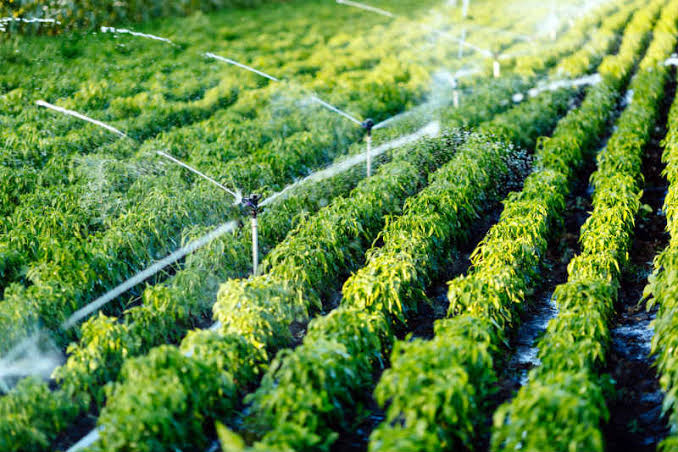
Water is one of our planet’s most precious resources, yet traditional watering methods waste billions of gallons of it every day through evaporation, wind runoff, and simple overwatering. For homeowners, property managers, and agriculturalists alike, maintaining a lush green landscape or a high-yielding crop shouldn’t mean draining local water reserves or breaking the bank on utility bills.
Enter automated smart irrigation and sprinkler systems.
By replacing rigid, old-fashioned mechanical timers with weather data, soil sensors, and Internet of Things (IoT) connectivity, smart irrigation represents a massive leap forward in property management and environmental sustainability. This comprehensive guide explores how these systems work, their core components, the tangible benefits they offer, and how to choose the right setup for your needs.
What is a Smart Irrigation System?
At its core, a standard automated sprinkler system runs on a simple timer. It turns on at a specific time, runs for a set number of minutes, and shuts off—completely blind to whether it is currently pouring rain or experiencing a blistering heatwave.
A smart irrigation system, by contrast, acts as a dynamic manager. It uses real-time environmental data to automate watering schedules, adjusting the amount of water delivered based on the actual needs of the soil and plants. If the ground is already saturated or rain is forecasted in an hour, the system automatically skips a cycle.
How Smart Irrigation Systems Work: The Tech Behind the Green
Smart irrigation systems rely on a network of hardware and software working in tandem. The magic happens through two primary types of smart controllers:
1. Weather-Based Controllers (Smarter Scheduling)
Also known as ET controllers (Evapotranspiration), these systems track local weather data, temperature, humidity, wind speed, and solar radiation.
-
The Science: Evapotranspiration is the combination of water evaporating from the soil surface and the water transpired by plants.
-
The Action: By calculating the ET rate for your specific geographic location via Wi-Fi syncs with local weather stations, the controller knows exactly how much moisture your landscape has lost and replenishes only that amount.
2. Soil Moisture Sensor-Based Controllers (On-Site Precision)
Instead of looking at the sky, these systems look deep into the earth.
-
The Science: Subsurface sensors measure the volumetric water content of the soil in real time.
-
The Action: When the moisture drops below a predetermined threshold tailored to your specific plant types, the controller opens the valves. Once the sensors detect that the root zone has received adequate water, the cycle shuts off immediately, preventing deep-soil runoff.
Key Components of an Automated Smart Irrigation Infrastructure
To understand how seamlessly these systems integrate into a modern smart home or commercial property, it helps to break down their anatomy:
-
The Smart Controller (The Brain): The hub of the entire operation. Usually equipped with Wi-Fi or cellular connectivity, it processes data from sensors or the internet and sends electrical signals to open or close valves. Most controllers feature a dedicated smartphone app for remote monitoring.
-
Sensors (The Eyes and Ears):
-
Soil Moisture Sensors: Placed in the root zones of different plant types.
-
Rain/Freeze Sensors: Hardware that instantly interrupts a watering cycle if a sudden downpour or freezing temperatures hit.
-
Flow Meters: Critical tools that monitor water volume flowing through the pipes, instantly alerting you via app if there is a sudden spike (indicating a broken sprinkler head or cracked pipe).
-
-
Automatic Valves (The Muscles): Electromechanical switches that respond to the controller’s commands, physically opening to let water flow into specific zones.
-
Delivery Systems (The Vehicles): This includes high-efficiency rotary nozzles, spray heads, or drip irrigation lines designed to deliver water directly to the base of the plant, minimizing wind drift and evaporation.
Top Benefits of Upgrading to Smart Irrigation
Investing in a smart sprinkler system provides immediate returns across multiple fronts, making it a rare win-win for both your wallet and the planet.
1. Drastic Water and Financial Savings
Studies by the U.S. Environmental Protection Agency (EPA) indicate that replacing a standard clock-timer controller with a WaterSense-certified smart controller can save an average home roughly 7,600 gallons of water annually. Overwatering is not only an environmental issue but an expensive habit; cutting down on waste directly translates to slashed water bills.
2. Healthier Lawns and Crops
Plants do not thrive on a strict, unyielding schedule. Overwatering suffocates root systems, leading to root rot, fungal diseases, and shallow root growth. Under-watering stresses plants, leaving them vulnerable to pests. Smart irrigation ensures that plants receive the optimal amount of water precisely when they need it, encouraging deep, resilient root growth and vibrant foliage.
3. Unmatched Convenience and Remote Management
Whether you are on a business trip across the world or lounging on the couch, you have complete control over your landscape. Through intuitive smartphone applications, you can manually trigger zones, adjust settings, review historical water usage metrics, and receive instant push notifications if a leak is detected.
4. Precision Zoning
A typical property has diverse landscaping needs. Shady areas under trees require far less water than a wide-open lawn baking in the midday sun. Succulents and native shrubs need significantly less moisture than a vegetable patch. Smart controllers allow you to divide your property into distinct “zones,” customizing the soil type, plant type, and sun exposure for each area to optimize water application.
Drip Irrigation vs. Smart Sprinklers: Which is Better?
When designing a system, users often wonder whether they should use traditional sprinkler heads or drip irrigation lines. The truth is, a truly smart system often utilizes a hybrid approach.
| Feature | Smart Sprinkler Heads | Smart Drip Irrigation |
| Best Used For | Wide lawns, ground covers, large open spaces | Flower beds, vegetable gardens, shrubs, trees |
| Water Efficiency | Moderate (subject to wind/evaporation) | Maximum (delivers water directly to soil) |
| Aesthetics | Pop-up heads hide underground when not in use | Tubing is laid on the surface, usually hidden by mulch |
| Weed Control | Low (waters everything, including weed seeds) | High (only waters the specific plant zone) |
By mapping out your landscape, a smart controller can manage a zone of pop-up rotators for your front lawn, while simultaneously running a low-volume drip zone for your backyard perimeter garden.
Designing and Installing Your Smart System: A Step-by-Step Approach
Transitioning to a smart irrigation system can be approached either as a completely new installation or as a retrofitting project for an existing underground sprinkler setup.
Step 1: Mapping and Zoning
Before buying any hardware, sketch a map of your property. Group areas with similar watering needs together. Note sunny vs. shady spots, slopes (which require shorter, repeated watering cycles to prevent runoff), and different soil profiles (such as clay, sand, or loam).
Step 2: Choosing the Right Controller
Look for controllers that carry certified water-conservation stamps (like the EPA WaterSense label). Ensure the controller supports the total number of zones your property requires, plus a few extra slots if you plan to expand your garden in the future. Check the Wi-Fi range from your home router to where the controller box will be mounted (usually in a garage or exterior wall).
Step 3: Integrating Sensors
Place your soil moisture sensors in the most representative areas of your primary zones. Avoid placing them at the absolute lowest point of your yard (where water pools naturally) or directly next to concrete walkways that radiate intense heat.
Step 4: System Calibration and Testing
Once installed, input your specific landscape details into the accompanying app. The application will typically ask for your soil type, plant varieties, and the slope gradient of each zone. Run a test cycle to ensure every nozzle is spraying correctly and that no misting (which indicates water pressure is too high) is occurring.
Future Trends: AI and the Next Generation of Smart Watering
The evolution of smart irrigation isn’t slowing down. As artificial intelligence (AI) and machine learning become deeply embedded in IoT tech, tomorrow’s irrigation systems will be even more autonomous.
Future systems will not just pull data from general ZIP-code weather forecasts; they will utilize hyper-local, peer-to-peer weather sharing networks. Imagine your controller talking to your neighbor’s controller to confirm a localized micro-burst of rain actually hit your street. Furthermore, advanced AI predictive modeling will allow systems to analyze years of historical soil data alongside upcoming climate trends to optimize water budgets months in advance.
Final Thoughts: An Investment that Pays for Itself
An automated smart irrigation and sprinkler system is no longer a luxury reserved for commercial golf courses or massive agricultural operations. It is an accessible, highly efficient piece of modern technology designed for any property owner looking to modernize their upkeep.
By removing human error and guesswork from the equation, smart irrigation protects your financial investment in your landscaping, slashes your monthly utility overhead, and serves as a powerful statement of environmental stewardship. In a world where every drop counts, switching to a smart, data-driven watering system is one of the smartest upgrades you can make for your property.
