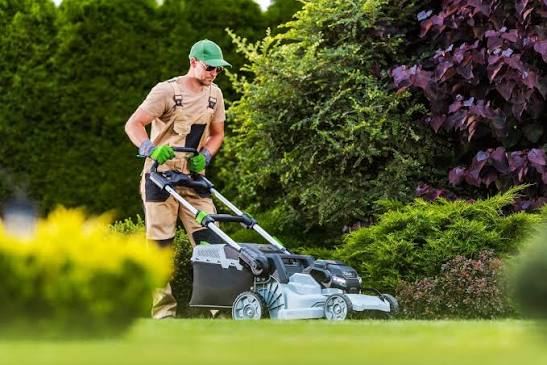
A lush, vibrant green lawn is more than just a property feature—it is the canvas of your outdoor living space, an extension of your home, and a major contributor to your property’s curb appeal. However, achieving that picture-perfect carpet of grass takes more than occasional watering and weekend mowing.
Over time, heavy foot traffic, harsh weather, nutrient depletion, pests, and compacted soil can leave a lawn looking thin, patchy, and exhausted. When standard maintenance no longer cuts it, a comprehensive Professional Lawn Care & Restoration Program is the key to bringing your turf back to life.
This article explores the science, steps, and long-term strategies behind professional lawn restoration, outlining how expert intervention can transform an ailing yard into a thriving, resilient oasis.
Part 1: Diagnosing the Underlying Issues
Before laying down fertilizer or starting up a tractor, a professional lawn restoration program begins with a thorough assessment. Just like a doctor examines a patient, a turfgrass expert must diagnose the root causes of your lawn’s decline.
1. Soil Testing: The Foundation of Success
The secret to a healthy lawn lies beneath the surface. Professional programs start with a comprehensive soil test to analyze:
-
pH Levels: Turfgrass generally thrives in slightly acidic to neutral soil (a pH between 6.0 and 7.0). If the soil is too acidic or too alkaline, the grass cannot absorb essential nutrients, no matter how much fertilizer you apply.
-
Nutrient Deficiencies: Testing determines the exact levels of Nitrogen (N), Phosphorus (P), and Potassium (K), alongside vital micronutrients.
-
Soil Composition: Identifying whether your soil is predominantly clay, sand, or loam dictates how water and nutrients move through the root zone.
2. Identifying Secondary Stressors
Beyond soil chemistry, experts look for physical and biological stressors:
-
Soil Compaction: Heavy clay soil or high foot traffic packs soil particles tightly, choking off oxygen, water, and nutrients from reaching the roots.
-
Thatch Accumulation: Thatch is a layer of dead and living organic matter that builds up between the green vegetation and the soil surface. A thin layer is beneficial, but anything over a half-inch acts as a waterproof barrier and a breeding ground for pests.
-
Weed, Pest, and Disease Pressures: Identifying specific weed varieties (crabgrass, dandelions, nutsedge) and turf diseases (brown patch, dollar spot) is crucial for targeted treatment.
Part 2: The Core Pillars of a Restoration Program
Once the diagnosis is complete, a tailored recovery plan is set into motion. A truly professional program relies on a multi-step, scientifically backed regimen rather than a one-size-fits-all application.
       [ Soil Diagnostics & Analysis ]
                     │
                     ▼
       [ Core Aeration & Dethatching ]
                     │
                     ▼
       [ Soil Amendment & pH Correction ]
                     │
                     ▼
       [ Advanced Slit-Seeding & Overseeding ]
                     │
                     ▼
   [ Customized Macro/Micronutrient Feeding ]
                     │
                     ▼
      [ Integrated Pest & Weed Control ]
1. Mechanical Renovation: Aeration and Dethatching
To fix structural soil issues, mechanical intervention is required.
-
Core Aeration: This process uses a specialized machine to remove small plugs of soil and thatch from the lawn. By creating these structural openings, aeration instantly relieves soil compaction, allowing the root system to breathe and absorb water and nutrients deeply.
-
Dethatching (Power Raking): If the thatch layer is excessive, mechanical dethatching lifts the dense mat of debris out of the turf line, opening up the canopy so new seeds can make direct contact with the soil.
2. Custom Fertilization and Soil Amendments
Armed with soil test results, technicians design a custom nutrition plan.
-
Macronutrient Balancing: Nitrogen promotes rapid, vibrant green top growth; Phosphorus encourages robust, deep root development; Potassium boosts overall plant disease resistance and stress tolerance.
-
pH Correction: If the soil test reveals high acidity, a professional application of agricultural lime is integrated. Conversely, sulfur may be applied to lower excessively high pH levels.
3. Overseeding and Slit-Seeding with Elite Cultivars
Bare spots and thinning turf are prime real estate for opportunistic weeds. To crowd them out, a restoration program introduces superior, high-performance grass seed.
-
Slit-Seeding (Slice Seeding): For severely damaged areas, professionals use a slit-seeder. This machine cuts shallow grooves into the soil and drops seed directly into the slices, ensuring optimal seed-to-soil contact and exceptionally high germination rates.
-
Cultivar Selection: Rather than generic big-box store seeds, professionals use certified, elite turfgrass cultivars chosen specifically for your microclimate, sun exposure, soil type, and lifestyle needs (e.g., drought-tolerant fescues or high-traffic Kentucky Bluegrass blends).
Part 3: Integrated Pest, Weed, and Disease Management
A critical component of protecting a newly restored lawn is keeping aggressive competitors and destructive pests at bay. Professionals utilize an Integrated Pest Management (IPM) approach, which maximizes results while minimizing environmental impact.
| Treatment Type | Target Issues | Mechanism / Timing |
| Pre-Emergent Herbicides | Crabgrass, Foxtail, Goosegrass | Applied in early spring to create a chemical barrier that stops weed seeds from successfully sprouting. |
| Post-Emergent Herbicides | Dandelions, Clover, Thistles, Broadleaf weeds | Targeted, systemic applications that destroy existing weeds down to the root without harming surrounding grass. |
| Subsurface Insecticides | Grubs, Billbugs, Chinch bugs | Preventative or curative treatments targeting root-eating larvae before they destroy vast sections of turf. |
| Targeted Fungicides | Brown Patch, Dollar Spot, Red Thread | Scheduled applications during high-humidity periods to halt fungal spores from decimating leaf blades. |
Part 4: The Restoration Timeline: What to Expect
Lawn restoration is a journey of biological transition. Understanding the seasonal timeline helps manage expectations and highlights when key interventions take place.
Spring: The Wake-Up Call & Prevention
The focus in spring is on protection and awakening. Technicians apply a balanced, slow-release fertilizer alongside pre-emergent weed controls to block crabgrass. Soil testing is ideally conducted during this phase to map out the rest of the year’s program.
Summer: Heat Stress Management & Defense
Summer is about survival. As temperatures climb, the program shifts toward maintaining root health, treating active surface insects (like chinch bugs), and applying targeted weed controls. High-nitrogen fertilizers are avoided during peak heat to prevent burning the grass.
Fall: The Ultimate Restoration Window
Fall is the most critical window for major lawn renovation. The soil is still warm, the air is cool, and weed competition is naturally declining. This provides the perfect environmental window for core aeration, heavy overseeding, slit-seeding, and late-season winterizer fertilization to build a powerful root structure before winter dormancy.
Part 5: The Homeowner’s Crucial Role in Partnering for Success
A professional program provides the materials, machinery, and expertise, but a lawn is a living ecosystem that requires daily care. Homeowner collaboration is what bridges the gap between a good lawn and a spectacular one.
Important Note for New Seedlings: > Newly seeded lawns require consistent moisture. For the first 3 to 4 weeks post-seeding, light and frequent watering (2–3 times a day for 5–10 minutes) is essential to keep the seed zone damp. Once established, transition to deep, infrequent watering.
1. Proper Mowing Practices
Mowing too short is one of the most common ways to undo professional restoration work.
-
The One-Third Rule: Never remove more than one-third of the grass blade height during a single mowing session. Cutting too aggressively shocks the plant and stunts root growth.
-
Sharpen Those Blades: Dull mower blades tear the grass rather than slicing it cleanly. These frayed edges turn brown, leave the lawn looking ragged, and open up entry points for fungal diseases.
-
Mow High: Keeping your grass at a higher setting (typically 3 to 4 inches for cool-season grasses) shades the soil, reduces water evaporation, and naturally chokes out low-growing weeds.
2. Irrigation Discipline
When watering an established lawn, the goal is deep root penetration. Watering shallowly every day creates a lazy, superficial root system. Instead, aim for 1 to 1.5 inches of water per week, delivered in deep, early-morning sessions a few times a week. This trains the roots to grow deep into the soil profile in search of moisture, making the lawn incredibly drought-resistant.
Conclusion: The Long-Term Return on Investment
Investing in a professional lawn care and restoration program is an investment in your property’s value, environment, and lifestyle. A healthy, dense lawn acts as a natural air filter, traps dust, cools the local microclimate, and prevents soil erosion.
While DIY attempts often result in a frustrating cycle of trial-and-error, wasted money on incorrect products, and subpar results, a professional program relies on tailored science and commercial-grade execution. By pairing agronomic expertise, premium inputs, and specialized machinery with proper ongoing cultural practices, you can successfully reverse years of degradation. The result is a thick, resilient, velvet-green landscape that your family can enjoy and be proud of for years to come.
