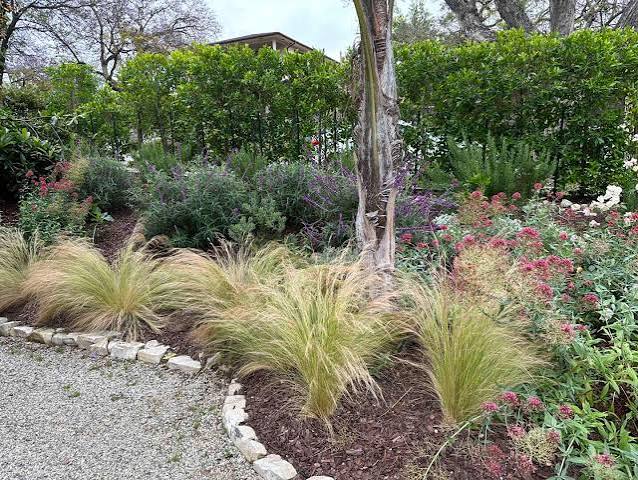
With changing climate patterns, unpredictable rainfall, and rising water costs, the traditional, high-maintenance green lawn is fast becoming a relic of the past. For decades, the standard for a “beautiful yard” was a perfectly manicured plot of non-native turfgrass—a look that requires thousands of gallons of water, frequent mowing, and heavy chemical fertilizers.
Fortunately, there is a smarter, more sustainable, and incredibly stunning alternative: xeriscaping.
Far from the outdated misconception that sustainable landscaping means a barren yard filled with nothing but gravel and a few lonely cacti, modern xeriscaping embraces rich textures, vibrant colors, and thriving ecosystems. By pairing xeriscaping principles with drought-tolerant native lawns, you can create a gorgeous outdoor space that saves you time and money while actively supporting your local environment.
What is Xeriscaping?
Derived from the Greek word xeros (meaning “dry”), xeriscaping is a method of landscaping designed specifically for areas that are susceptible to drought or where water conservation is a priority.
Xeriscaping isn’t about eliminating plants; it’s about putting the right plants in the right places. It is a holistic design philosophy structured around seven core principles:
-
Comprehensive Planning and Design: Mapping out your yard based on regional climate, sun exposure, and topography.
-
Soil Improvement: Enhancing the soil’s ability to retain moisture and provide nutrients (often using organic compost).
-
Practical Turf Areas: Limiting traditional grass to zones where it actually serves a functional purpose, rather than using it as a default groundcover.
-
Appropriate Plant Selection: Choosing native and drought-tolerant species that thrive naturally in your local environment.
-
Efficient Irrigation: Utilizing drip systems and smart controllers to deliver water directly to plant roots with minimal evaporation.
-
Use of Mulches: Applying thick layers of mulch to keep the soil cool, reduce evaporation, and suppress weeds.
-
Appropriate Maintenance: Pruning, weeding, and practicing proper seasonal care to keep the ecosystem balanced.
The Environmental and Financial Perks of Going Green (By Going Dry)
If you are on the fence about replacing your traditional turf, consider the massive benefits that come with making the switch to a xeriscape and native lawn:
1. Drastic Water Savings
According to the Environmental Protection Agency (EPA), residential outdoor water use accounts for nearly 9 billion gallons of water per day in the United States alone, mainly for lawn irrigation. Xeriscaping can reduce outdoor water consumption by 50% to 75%.
2. Low Maintenance, High Reward
Say goodbye to spending your Saturday mornings pushing a heavy lawnmower, edging walkways, and spreading chemical weed killers. Native plants and drought-tolerant lawns require significantly less mowing, pruning, and fertilizing.
3. Financial Rebates and Increased Property Value
Because water conservation is a major public priority, many municipalities offer financial incentives or cash-back rebates for homeowners who replace their turf with water-wise landscaping. Additionally, a professionally designed xeriscape boasts incredible curb appeal, often boosting property values.
4. Welcoming Local Biodiversity
Traditional lawns are essentially ecological deserts. Native lawns and xeriscapes, on the other hand, provide vital food and shelter for local pollinators, including bees, butterflies, and native birds.
Rethinking the Lawn: Top Drought-Tolerant Native Grasses
You don’t have to give up having a soft, green carpet for your kids or pets to play on. The secret lies in swapping out water-thirsty exotic grasses (like Kentucky Bluegrass) for tough, resilient native species.
Depending on your region, here are some of the best drought-tolerant alternatives:
| Grass Species | Ideal Climate | Key Benefits |
| Buffalograss (Bouteloua dactyloides) | Plains & Midwest / Arid | Needs virtually no watering once established; grows only 4–6 inches tall (minimal mowing). |
| Blue Grama (Bouteloua gracilis) | Southwest & Plains | Highly drought-resistant; features beautiful, eyelash-like seed heads; handles foot traffic well. |
| UC Verde Buffalograss | West Coast / Mediterranean | Specifically bred for California and the Southwest; vibrant green color with ultra-low water needs. |
| Pennsylvania Sedge (Carex pensylvanica) | Northeast & Midwest | Perfect for shady areas where traditional grass fails; creates a soft, tufted, no-mow carpet. |
The Rise of No-Mow and Eco-Lawns
If you want to step away from traditional grass entirely, eco-lawns and herbal lawns are exploding in popularity. These are carefully curated blends of low-growing fescues, wild clovers, and micro-herbs like Roman Chamomile or creeping thyme. They stay low to the ground, stay green throughout intense heatwaves, and release a pleasant aroma when walked upon.
Step-by-Step: How to Transition Your Yard to a Xeriscape
Transforming your landscape can feel like a massive undertaking, but breaking the project down into manageable steps makes it an enjoyable, creative DIY venture.
Step 1: Assess Your Microclimates
Before buying a single plant, spend a weekend observing your yard. Where does the midday sun hit hardest? Which areas stay soggy after it rains? Where does the wind blow fiercely? Documenting these microclimates ensures you don’t accidentally plant a shade-loving native in a high-sun scorching zone.
Step 2: Remove the Old Turf
To build a sustainable yard, you must first clear the canvas. You can remove your old lawn through a few different methods:
-
Sheet Mulching (Lasagna Gardening): The most eco-friendly method. Cover the grass with overlapping layers of cardboard or newspaper, then pile compost and mulch on top. The grass suffocates and breaks down into rich, fertile organic matter.
-
Solarization: Cover the lawn with clear plastic sheeting during the hottest months of summer to bake the grass and weed seeds underneath.
Step 3: Grade and Map Zones
Group your future plants into hydrozones based on their water requirements. Keep your high-water-use plants (like a small vegetable garden) close to the house for easy access, and place your ultra-hardy, drought-tolerant native plants further out on the perimeter where they can rely strictly on rainfall.
Step 4: Condition the Soil
While native plants are adapted to local soils, years of traditional lawn care can leave soil compacted and depleted. Mix in organic compost to give your new plants an initial boost and improve the soil’s natural drainage and aeration properties.
Designing with Impact: Combining Texture, Color, and Structure
The most beautiful xeriscapes play with layers and contrast to create visual depth. When choosing your drought-tolerant native flora, aim for a balanced mix of the following categories:
Perennials for Pops of Color
-
Coneflowers (Echinacea): Tough, heat-tolerant flowers that bloom all summer long and attract butterflies.
-
Salvia / Autumn Sage: Deep purples and bright reds that thrive in rocky, dry soils.
-
Blanket Flower (Gaillardia): Highly drought-resistant daisy-like flowers boasting fiery orange and yellow petals.
Architectural Succulents and Accents
-
Agave and Yucca: These plants offer striking, dramatic geometry that serves as a fantastic focal point in your garden bed.
-
Stonecrop (Sedum): Perfect as a colorful, fleshy groundcover to fill in the gaps between larger rocks.
Ornamental Grasses for Motion
-
Little Bluestem: A native bunchgrass that shifts from a striking blue-green in summer to a gorgeous coppery-bronze in autumn.
-
Muhly Grass: Famous for its ethereal, cloud-like pink and purple plumes that catch the autumn breeze beautifully.
[ Your House ]
      │
      ├─► Hydrozone 1 (Near House): Small native lawn, container plants, drip irrigation
      │
      ├─► Hydrozone 2 (Mid-Yard): Low-water perennials (Coneflowers, Salvia), mulch paths
      │
      └─► Hydrozone 3 (Perimeter): Ultra-hardy shrubs, ornamental grasses, decorative boulders
The Secret Weapon: Mulch and Rocks
Mulch is the unsung hero of the xeriscape. A generous 2 to 4-inch layer of organic mulch (such as shredded bark or wood chips) acts as a protective blanket for your soil. It prevents the sun from baking the ground dry, vastly reduces water evaporation, and keeps pesky weed seeds from germinating. Over time, organic mulch decomposes, feeding valuable nutrients back into the soil ecosystem.
To add structure and a natural aesthetic, integrate river rocks, flagstone pathways, and decorative boulders. Boulders act as beautiful anchors for your plant groupings, while gravel or flagstone paths break up the landscape, guiding the eye and providing easy walking access through your garden without compacting the plant roots.
Myths About Xeriscaping: Debunking the Misconceptions
Myth #1: Xeriscaping is just rocks and cacti.
Reality: While desert themes are one style, xeriscaping can look like a lush woodland meadow, a vibrant wildflower field, or a classic green expanse depending entirely on your local native plant palette.
Myth #2: You never have to water a xeriscape.
Reality: All plants, even the most drought-hardy succulents, require regular watering during their first one to two growing seasons to establish a deep, resilient root system. Once established, however, their reliance on supplemental watering drops drastically.
Myth #3: Xeriscaping is too expensive.
Reality: While the upfront cost of plants, mulch, and design can be an investment, the long-term ROI is massive. You will see immediate reductions in your monthly water bills, and you’ll save significantly on fertilizer, pest control, and fuel for mowing equipment.
Embracing the Future of Landscaping
Transitioning to a xeriscape and a drought-tolerant native lawn is more than just a home improvement project—it’s an investment in the future health of your local ecosystem. By stepping away from the demanding cycle of traditional turf maintenance, you gain a unique, dynamic yard that celebrates the natural beauty of your regional environment.
With less time spent on chores and less money spent on water utilities, you can finally sit back, relax, and watch your sustainable paradise truly thrive.
